Blog

When am I? Time blindness, on speed

I remember very well the first time I heard the lyric, “Neurotic to the bone, no doubt about it“, because my 11 year old self could relate in a very real way. Cheers, Green Day.

I may not have known what a dookie was at 11, but I knew neurosis. (Excellent band, by the way, Neurosis.)

Now, for a multitude of reasons, I’m not a fan of Freudian psychoanalytic theory. Or, perhaps I am not a fan of how it seems to have become gospel to so many. Therefore, I am not going to delve much deeper into neurosis as a descriptive tool, so often used by followers of the aforementioned theory. In my humble opinion, old Sigmund was a bit of a wanker, with a massive Oedipus complex. In his inability to seek treatment for his own obsession with his mother, it appears that he decided to use his professional platform to ruin everyone else’s relationship with theirs. He might have been the founder of psychoanalysis, but some of his theories – because they would always circle back to the repressive element and make it into something dirty, rather than simply unhealthy – are pure bad philosophy, dressing up as medical science. I’m not saying we should underestimate the power of the Id, but take the man with a pinch of salt. Why does it always have to be about sex with this boy? Not everyone is repressed. Also, the world has changed quite a bit since his time. A good theory rarely has one finite solution.

Anyway…

So, if you haven’t guessed already, I’m a wee bit neurotic. Psychology Today defines neuroticism as “a tendency toward anxiety, depression, self-doubt, and other negative feelings“. That’s me, in a nutshell. Always have been, always will be. Or will I? Am I? Because it seems to me that, with the need to mask symptoms gone, I have somehow adopted a very laissez-faire attitude to some things in life. I am hurdling through my day, or even weeks, with a more or less lackadaisical attitude towards the constructs of time. Like, where the fuck did August disappear to?

I have a theory, but first some back story. I was taught from an early age that being late to something should be punishable by death. Or worse. And so I became obsessed with time. Not time itself, really, more with the actual telling of it, as it appeared to have some sort of magical effect of dictating people’s lives.

For instance, I was led to believe you absolutely must have dinner by 5pm, or you won’t be able to have an evening meal. Why? I do not know. Meaning, you’ve got to spend your whole day preparing for this monumental event, that’s essentially just a ritual during which we put nutrients into our bodies so that we’ll have ample energy to reach new levels of anxiety brought on by said meal. In my case, this had me checking my watch every 4 minutes, just to make sure I’d be prepared to leap up and get everything sorted in time for the big event. Hello stress, bloating, indigestion and tics galore, my involuntary muscle spasms causing me to drop my fork, flip my plate or poke myself in the face with the knife, ultimately turning every dinner into a catastrophic affair I still dread to this day.

I’m sure that you can see by the above example, that I might be the type of person that will classify everything that’s not at least 15 minutes early as late. I blame this now, in part, on time blindness. Because, after reading an illuminating article about this in Focus, I discovered that it’s not just about constantly being late to things due to poor time perception, it can also mean that you are always “way too early, to avoid being late“. That’s me, to a T. Or, at least it was.

Imagine my surprise when I just the other day discovered it was gone 3pm and I had missed a deadline (a deadline I’d set for myself and not the actual hard deadline set by the editor, thank fuck, but still). The last time I’d even checked the time was when I was brewing my morning cuppa, and I didn’t even manage to do that in any neurotic, orderly fashion, as I got lost in an internet search and forgot all about my formerly hot and now slightly tepid and increasingly bitter coffee at approximately 9.04 – six minutes after I should have poured it into my neon green penis mug. (My favourite mug, in case you were wondering.)

Normally, I’d have set a timer or started my stop watch, or both, whilst counting to 270 (for the perfect brew), AND simultaneously checking the time to see if I was off by a millisecond or two. But now? I had not a care in the world. And the lack of stress is starting to stress me the fuck out. What if I were leave the stove on and my flat burned down with me in it? Or I forgot to go to work, like, at all? Have I become one of those too relaxed people that everyone else has to accommodate? Does this mean that I have lost the one quality I’ve always prided myself on – the fact that I am always, ALWAYS on time? Will I start being late for things?!

I had a colleague once, who was always 30 minutes late to work, every single day without fail – even on the days we had morning meetings first thing, so we had to move them to suit her seemingly ignorant behaviour. The few times I asked her to please let us at least know whether or not she was going to be late, she simply replied “Chiiiiiiiiill“, in a way that suggested I was the problem. I always found that incredibly rude, and certainly wouldn’t want anyone to think of me in the same way. But now, it appears, I can’t help it. I’ve become too relaxed. Crossed over to the dark side, without even realising it.

That’s it for now. I’ll see you next Tuesday – if I can even remember when that will be, or who I am, that is.

Also, do something that’ll make you laugh. There’s so much shit in the world and I we are going to be able to deal with it in any decent way, we need to take a break once in a while. If you find something that can make your shoulders drop by even half an inch, let us know. If you like dark shit, you should read my book.

Me, I like Amy Poehler and her Good Hang podcast. Check out her Instagram in the previous link and click on the Spotify icon below to listen to a recent episode.

Ciao for now!

Serendipitous moments and the acceptance of good things

I remember the first time I saw him play like it was yesterday. I remember how the old pub – and the people in it – came to life and became part of the soundscape, conjuring a tremendously powerful, yet somehow ethereal, ambiance and experience. It pulled me in like voodoo and it was as if we’d all been transported to an alternate reality, where day was night and night was day. What’s more, it was the first time in a long time I felt as if I belonged somewhere.

He was a wild thing, a crooner, poet, a machine – like Mad Max with a guitar, or Tom Waits, but with melody. Australian, of course. He was C.J. Lee.

Australian blues n’ roots, folks. You can check him out on YouTube.

I know what you’re thinking, so hold your horses. In the words of Layne Staley; It Ain’t Like That.

Anyway. We have arrived in Edinburgh, somewhere around 2014. I was desolate, heartbroken, at the end of my rope. I had nothing and no one and had left my old life behind for a love that had existed only in my mind. I had ventured out for a booze shop when something made me stop at the corner of my street and glance across the road. A pub had appeared from out of nowhere! And that’s when I saw a poster in the pub window, promising live music and… something about a wolf? Forgotten was my initial need to restock my liquor cabinet – I knew I needed to go to this session thing.

And, if you’ve ever been to one of the far too many open mic sessions that you can find littered across our beautiful city, where indifferent imitators having watched too many episodes of The Voice perform half-arsed versions of shitty conveyor belt pop songs that means nothing to them, this session is nothing like that. This session showcased proper blues musicians, performing with a palpable passion and an undying need to communicate their message. Some covers here and there, of course, but mostly original songs – all of them performed with heart and soul, and I am lucky enough to have been welcomed into and taken part in it.

To this day, I’m glad I went to that session. It was the first of many and it’s brought me a lot of joy over the years, through providing me with community, family and friendships, a sense of belonging. Still does.

The thing about those unplanned moments of good fortune is that they eliminate the need for any overthinking, so I entered this new world without having had the chance to ruin it for myself before I got there. I was able to be who I really was, instead of putting on one of my many hats to fit in.

The thing about serendipitous moments, though, is that it can be difficult to see them as anything other than a fluke, so when you don’t expose yourself to that world for a long wee while, you sort of forget it exists. You forget the you that exists within that universe. The only time you’re reminded of those good days is through social media, and even then it’s not really real. I mean, the Internet shouldn’t be taken too seriously. Have a look at what’s happening in the world around you, for fuck’s sake.

Anyway. When my phone rang Sunday morning, it was a reminder of how important it can be to nurture those interactions, so you don’t forget about them, those friendships that never feel forced of difficult. The ones that span years, oceans and lifetimes, through which we stay young, unfettered, hungry for life. Because the voice on the other end when I picked up belonged to none other than my old pal from Oz, just back from one of his gigs in his current home of Ontario, Canada.

Or, it could have been Tom Waits that had decided to hack his Messenger and give me a call, I never was able to tell those two apart.

All I know is that, as an added bonus, our brief conversation reminded me of that gem of an album he put out five years ago; Hitchcock Sequel. And, while you’re already on his Bandcamp page, you should check out Ad Nauseam Blues as well.

Nevertheless, that phone call brightened my day. The sound of that voice I’ve not heard “live” in years is more familiar to me than that of an electric car. My comrade and brother from an entirely different mother had decided to check in with me, and it got me thinking about friendships and the simple joys in life, and how I haven’t been great at realising they’re there for me as a source of good when I need to start climbing my way out of my ditch of depression, rather than digging myself down into it, ever deeper.

Perhaps that’s the case for you as well? If so, I think we should both start thinking about those good memories once in a while. When you’re thinking about someone, let them know. Maybe that’s your gut telling you to check up on your pal before they fall into chatbot psychosis, or worse?

Fuck gratitude journals and all that crap – let’s just look up from our pits of despair and smell the sweetness. It’s there, even when you’ve forgotten how it made you feel.

As a token of my appreciation for your making it to the bottom of my ramblings, there’s a link to C.J. Lee’s beautiful 2020 album Hitchcock Sequel in the Spotify link below, and you can click on these words right here to get to a place where you can learn more about this incredible musician. The set image for this post is the front cover of the album. The artwork is by Sean Stanley.

See you next Tuesday, for some fresh ramblings. I am off to investigate how much damage an impromptu trip to Canada would do to my account. Much love.

Observations from the road and why you should leave your phone at home

Can you imagine a world where strangers interact with one another in a calm, polite and even interested manner? Taking their time to look up and notice the world around them? Actually acting as if they’re not using their handheld devices as some sort of protective shield against human emotion? A commute without your in-ears so far into your skull that the filters have melted into your eardrums?

Utopia, surely. Or is it?

Here’s how a trip to the Lake District restored some of my ever diminishing belief in humanity.

As my train pulled up to Windermere station on a Monday morning, I began to notice how none of the other travellers seemed to be on their phone. Seeing as I had a 2 to 3 hour walk through unknown territory ahead of me, I had of course spent my train journey anxiously looking at my phone every few seconds just to make sure it was still charging – what would I do if my battery died and I’d be unable to rely on the magic of GPS?

What I had done, however, was put my headphones away to preserve what little juice remained in the battery, and for the first time in a long time I discovered that the noise around me didn’t bother me at all. Because, apart from the calming chug-chugs from the train itself, there was none. (To be fair, this was the 6am service from Birmingham via Oxenholme, so it wasn’t as if the carriage was full, but still).

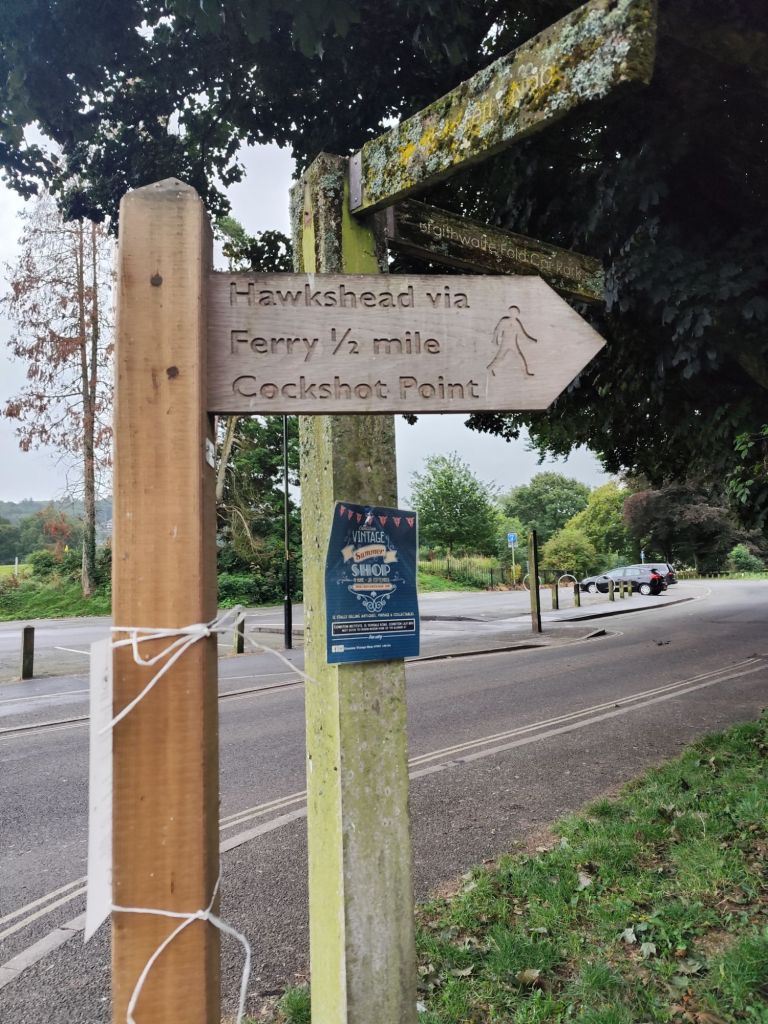
Myself being very me, I had discovered a gem of a place in Windermere beautifully named Cockshot Point, which I’d included in my route despite the 4 mile detour. As I disembarked the train I started up the mapping app, but left my headphones in my massive rucksack and started making my way through the town centre.

Strangely enough, the distance down to the lakeshore seemed not so far now that I wasn’t telling the time by the duration of the songs in my playlist, so I walked around for a bit before starting on the last leg of the trek, the 6 mile hike to Ambleside – still forgoing the familiar soundscape and trusty companionship my Heaviness playlist has provided me with since the dawn of music streaming.

Again, it seemed as if time stood still, despite the traffic constantly going past as I walked. The sound of wind in the trees, bleating of sheep and the lake in the distance seemed to amplify everything around me. The green of the grass, the brown of the endless tree trunks seemed more vivid than I could remember. And as I was walking along the same road for most of it, I didn’t have to keep checking the app either.

I was sweating like a pig in a volcano, but not even that seemed to bother me. Also, if it got to a stage where seeing my sweaty person would traumatise other hikers, I could just throw myself into the lake.

Another plus of leaving the music behind was the fact that I could hear the cars coming long before I’d have to find somewhere safe on the narrow pavement. But enough of all this walking business – I’m sure you’ve got better things to do. The point is, it got me thinking about something I’ve thought about a lot in recent years; that we could all benefit from leaving our devices behind once in a while.

When was the last time you spent a night out (or day, for that matter) actually enjoying yourself, rather than trying to find the perfect photo-op for your Instagram, for instance? The Internet can wait – and by keeping certain things private, they might even become cherished memories that are just yours.

Anyway, I hit Google to find something to support my theory; is reducing screen time beneficial to my overall wellbeing?

The sciencey bit

A study published by the National Institutes of Health found that smartphone screen time reduction can be beneficial to your mental health. Click on the link for the full article. Not surprising, but interesting nonetheless.

Then, on Unplugged.rest, I discovered that a study finds that only 72 hours away from your phone is enough to “rewire your brain against phone addiction”.

I’ve also been reading about how ChatGPT – and AI in general – can be detrimental to mental health. In fact, it’s dubbed chatbot psychosis. Here’s an article from The Telegraph on the topic that we should all read.

The observation

I think that the above indicates that we should take a step back from relying too much on technology in our everyday lives. And I wish, now, that I’d asked to photograph the people in the situation I am about to use to illustrate my point. Alas, I didn’t have my phone to hand.

After 24 hours in lovely Ambleside, a pal and I set off on a 45 minute bus journey that would take us to our train to Edinburgh. Once we’d stopped uncontrollably perspiring due to the heat and lack of air conditioning, I noticed something so surreal that I had to grab my pal by the arm and go, ‘are you seeing what I’m seeing?’

Not a single person had their phone out, or any visible earphones or headphones, even though they seemed to all be solo travellers. Most of them we’re gazing out the window at the passing landscape, whereas others sat there, seemingly content. Even a young kid, about 15, sat there with no phone, and when an elderly gentleman with a dog got on, he even moved to give him his seat AND asked if he could say hi to the dog. And then… they had a full-on conversation. Strangers. This type of behaviour has been unheard of on any public transport I’ve been on in the past decade! And that’s when I noticed how content they all looked, some even happy. Relaxed, even though the bus was running about two minutes late.

And that’s when I decided, there’s hope.

I don’t think fitness apps, calorie counters, games apps – all that shite – is doing us any favours. It certainly adds to the stress and anxiety in my own life, so I assume I am not alone in this. Some of these apps are designed to give you some sense of accountability, of course, but it’s just too much with the obsessive logging and the constant need to add one more thing to the list or log another activity – and what happens if you don’t make it to 300 kilometres of running this month?? ‘Heeeeeeeere’s DEPRESSION‘, as Johnny’s less homicidal brother would say.

So, do yourself a favour. Put your phone away and go for a fucking walk. Read a fucking book. Go see your fucking friend without posting about it on social media.

But, before you go, listen to this podcast episode about Hans the Hedgehod on Three Bean Salad (link below).

See ya next Tuesday.

Piemageddon

It is August. A week-long mini interrail is coming to an end, and I have journeyed to the Lake District in an attempt to cleanse my soul.

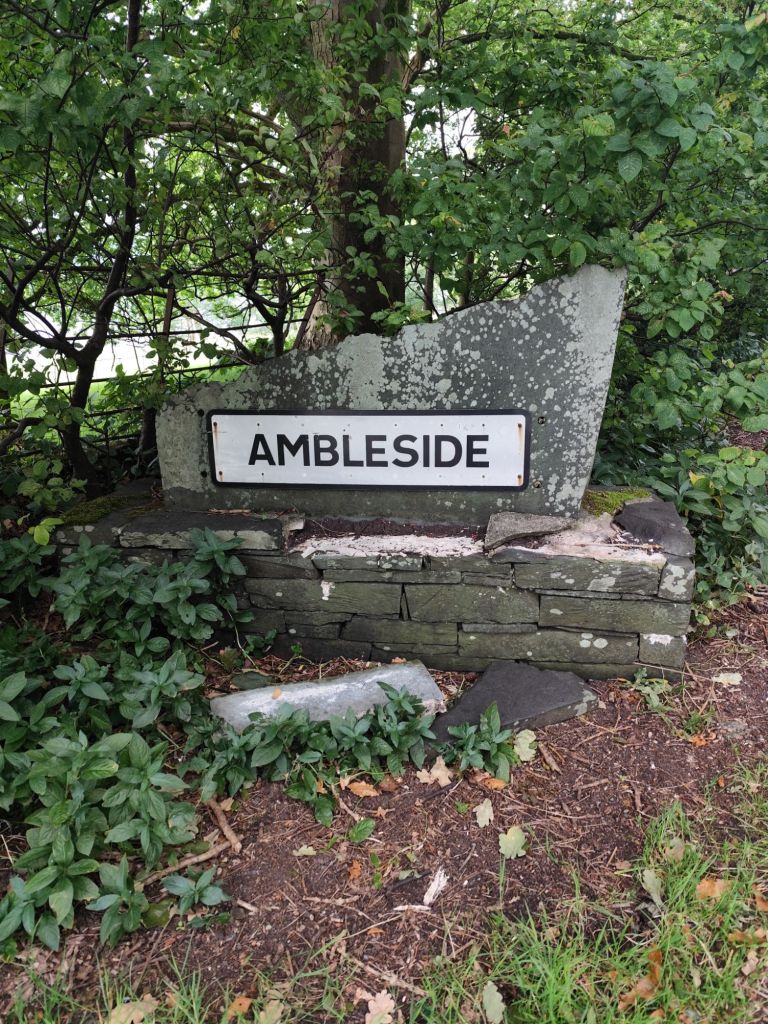
Having caught up with old friends, and made quite a few new and unwanted acquaintances along the way, I am now eagerly awaiting my pal’s arrival in the mysterious village of Ambleside, Cumbria, so that we can go on a culinary adventure we’ve dubbed Piemageddon. (Word has it, Ambleside is home to the UK’s premier pies).

What brought this on, you ask? Do I have an insatiable hunger for pie? Absolutely not. In fact, I don’t think I’ve ever had a single piece of pie in my life. But after seeing a rather graphic Instagram reel (bordering on vulgarity) of gravy being poured over shiny pastry and buttery mash, I was suddenly convinced that pie was something I needed in my life. I forwarded the reel to a friend and a plan was forged.

So, that’s how I find myself on the shore of lake Windermere, dripping with sweat from the 2-hour long walk from Cockshott Point, contemplating a fully-clothed swim (spoiler alert; swim, she did), before heading towards our accommodations.

I’m sure the soon to be wheatgasm will fuck up my low fodmap diet immensely, but I am certain a bit of bloating will beat the deranged occupant of the room directly above me in the Birmingham Comfort Inn throwing furniture around and shouting constantly from 10pm until my departure at 5 this am.

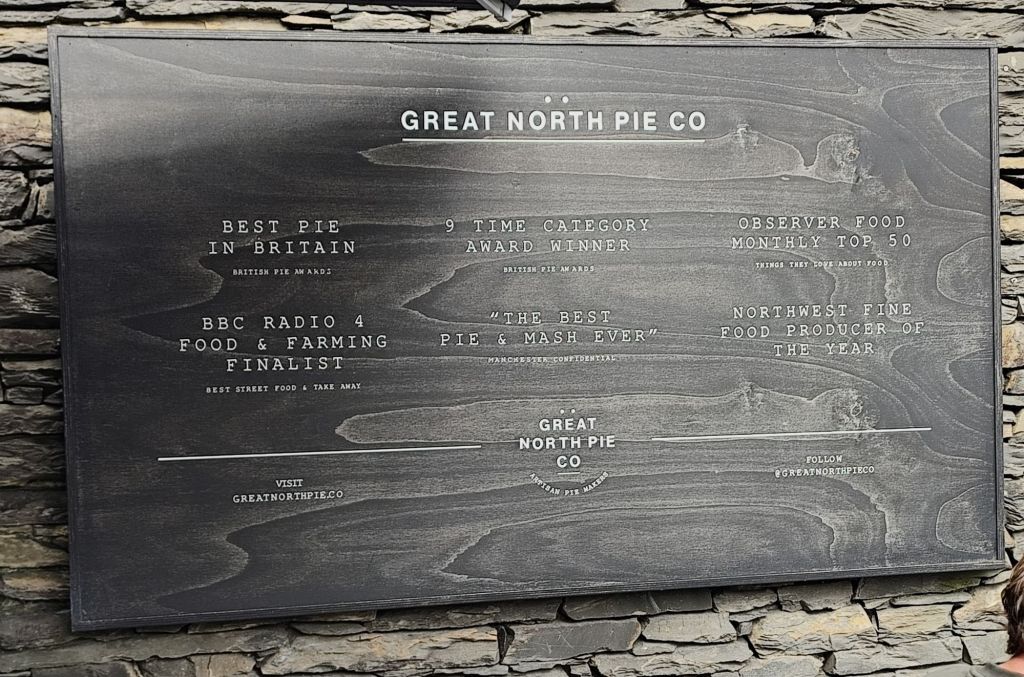
Anyway… What’s the pie hype, you ask? Well, the pie that inspired the journey came from The Great North Pie Company, and its shop is situated just far enough from the high street to not be inundated with the many, many tourists crowding the streets on this rather lovely day. The perfect location. (And it may or may not be the only eatery in town where you’re not in any danger of getting a serving of dog hair along with your meal.)

I’m not, and will never be, a ‘foodie’, so I will not even try to describe the meal as anything other than what it is; nutrition. But I will say this – the pastry alone had me uttering the word ‘tasty’ without even a hint of irony, possibly for the first time in my life. I do not normally enjoy food, never mind the process of eating, so this should be taken as a big sign of my approval.

I can wholeheartedly recommend a visit to Ambleside for the pie alone (there are a few other cafes that do excellent pies, both sweet and savoury, in the village), if you ever find yourself within hiking distance. The views are grand as well.

Bonus? A little peace and quiet away from the day to day is very good for my mental health – didn’t get my headphones out once for a full 30 hours. Only downside was the fighter jets that broke the wall of sound over the picturesque lake a total of six times within those hours.

Anyway. Whether you consider yourself a pie connoisseur or not, you might enjoy a wee getaway with a side of Cumbrian cuisine – just remember to get there early, before they run out of pies!

If you enjoy pies, you may also enjoy a good podcast. Find in the link below, a rather good episode of one of my favourites, Three Bean Salad.

Kunstig Idioti – nå er det nok

I et innlegg på LinkedIn kunne jeg i går lese at bedrifter, organisasjoner og regjeringer investerer voldsomt i kunstig intelligens. Norges regjering har tilsynelatende valgt å satse på forskning på KI, noe som kan være veldig bra, men ikke alle vil forske – de vil bare optimalisere bruken, som jeg forstår det etter å ha tittet litt rundt. Disse kildene får du søke opp selv. Dette innlegget er en kommentar.

Innlegget jeg viser til var for øvrig en uke gammelt og delt av en av mine forbindelser, men det er fortsatt forferdelig relevant. Det opprinnelige innlegget er skrevet av Anders Eidesvik og du kan lese det ved å klikke på lenka.

Da ble jeg provosert. Hvorfor i all verden “satses” det på KI? For at staten skal kunne forsikre seg om at enda flere vil gå uten jobb på lang sikt? For at folk skal bli så lite reflekterte at de ikke lenger bryr seg om å stemme ved valg eller stille spørsmål ved menneskerettighetsstridende avgjørelser som blir tatt?

Hvis noen har sett filmen Idiocracy, så skjønner dere kanskje hva jeg mener eller hvorfor jeg har vært skeptisk til kunstig “intelligens”. Man kan jo også for øvrig se på den norske definisjonen av ordet intelligens og den engelske definisjonen av det ordet som det har blitt oversatt fra – på engelsk har dette ordet flere mulige betydninger, mens det på norsk er synonymt med den mentale evnen til å forstå sammenhenger Dessverre er det nok mange som forstår det som ensbetydende med smart, oppvakt, mentalt avansert, eller hva man nå vil kalle det. Derfor er det rimelig å anta at mange tror at KI er en slags reflektert robot, mens sannheten er en annen.

KI er laget for å finne sammenhenger for å sende brukeren i riktig retning – det er ikke en allvitende professor som sitter med fasiten i backenden og sjekker alle kildene før den gir deg noe som for deg ser ut som et svar. For de som bruker gratisversjonen av KI (les: En versjon som ikke er spesifikt programmert for et angitt formål) til å skrive personlige hilsener, nyhetsartikler og eksamensoppgaver helt ukritisk, heller enn å bruke det som en sparringspartner når man står litt fast, blir dette en slags snarvei som gjør at man selv lar være å bruke de mentale tankeprosessen vi trenger for å kunne lagre informasjon. Og hvis vi glemmer å øve oss på å lære ting ordentlig? Ja, da skal det godt gjøres å greie seg ute i den virkelige verden. Som musklene i kroppen vår trenger også hjernen å brukes for å opprettholde god form.

Kortere sagt, som en ekstra tjeneste til deg som bruker programvare til å få lest opp denne teksten så du kan lytte mens du ser på kattevideoer samtidig, så vil hjernen få inntrykk av at du er ferdig med å lære ting eller være kreativ, så da er det ikke noen vits for den å drive å lagre ny informasjon eller jobbe for å optimalisere arbeidsminnet heller.

Hadde den hjernen vært en harddisk, så hadde du sikkert bytta den inn til fordel for en ny med bedre prosessorer. Men hjernen vår har vi liksom bare en av, da. Kan ikke bare stikke på clasærn og kjøpe en ny.

Nå er det ikke lenge siden forskere kunne fremlegge vitenskapelig bevis på at bruk av KI kan være fordummende, noe som strengt tatt ikke burde komme som noen voldsom overraskelse, siden ukritisk bruk av KI eliminerer behovet for å huske ting eller å bruke den kreative delen av hjernen. Bruker du KI for å utføre arbeidsoppgavene dine, så blir det jo nesten som du gir deg selv en liten lobotomi hver eneste dag. Selv om en lobotomi strengt tatt i det minste er stimulerende på hjernen. TV2 har publisert en sak om MIT-studien, om du kan lese når du klikker på lenken.

Med internett tilgjengelig nesten overalt, så er det fort gjort å søke opp ting på mobilen, heller enn å prøve å dra ting fram fra minnet. Men om du noen gang har vært på quiz og funnet et sånt gullkorn som har festa seg langt inni hjernebarken, og som du nesten ikke husker hvorfor du vet, vet hvor tilfredsstillende mestringsfølelsen er når du kommer på det av egen maskin.

Det er juks å bruke mobilen! Man blir vel ikke spesielt stolt av det heller, tenker jeg. ‘Se så flink jeg er til å bruke søkemotoren’, liksom.

Nå skriver folk snart ikke lenger kort, taler, sangtekster eller kjærlighetsbrev heller. Hva skjer da, tror dere? Det er vel mer enn rimelig å anta at man blir ganske emosjonelt avstumpa?

Å bruke KI helt ukritisk blir som å spørre en korrupt president om noe han ikke har svaret på; du kan nesten banne på at han kommer til å gi deg et svar uansett, som han rett og slett har henta ut fra løse lufta. Fantasi og oppspinn, som han finner på fordi han vet hva du vil høre og hvordan han kan bruke det til å stille seg selv i et bedre lys. Ville du tatt det for god fisk også?

Samfunnet er i ferd med å tilpasses de som benytter seg av snarveier, noe som jeg fryktet vil gå utover livskvaliteten til de aller fleste av oss. De av oss som har litt over gjennomsnittlig voldsom hjerneaktivitet blir diagnostisert og medisinert for å innsnevre et tilsynelatende schizofrent fokus og hemme evnen til å gjøre tusen ting
samtidig, for så å bli oppmuntret til å bruke KI som mestringsverktøy.

Mener dere virkelig at de som faktisk er godt nok rustet til å takle en verden etter samfunnsraseringen som truer i horisonten skal bedøves og handlingslammes? De er jo så godt som laget for krisesituasjoner. Kanskje litt ubrukelige når trykket letter, men allikevel de eneste som greier å holde hodet kaldt og jobbe seg gjennom når det stormer som verst. Den gode gamle kjemp-eller-flykt-responsen fungerer hensiktsmessig for disse menneskene.

Strengt tatt har katastrofen og krisen allerede rammet oss. Hardt. Men det er tilsynelatende svært få som har evne til å tenke over noe utover sin egen mobilskjerm lenger, så da er det heller ingen som bryr seg.

Er det for mye forlangt å ønske seg en liten meteorskur, akkurat kraftig nok til at Internett og programmeringsbasene kræsjer? I det aller minste kan jeg vel få lov til å slippe at tastaturet mitt setter inn orddeling der det absolutt ikke hører hjemme, eller slipper å måtte omprogrammere min egen mobil, nettleser eller Office-pakken jeg betaler for, for at jeg skal slippe å få opp misvisende informasjon når jeg forsøker å finne noe på nett?

Jeg satt på trikken og skreiv dette, så det så vel ut som jeg også har gitt meg hen til den digitale verden med stjerner i øynene. Det vil jeg ikke ha noe av, så jeg la vekk mobilen og lot fingerdiaréen hvile litt istedenfor.

Nå er det nemlig nok. Jeg vil lese en bok, dra på quiz, se en film jeg husker noe av, sette telefonen i flymodus eller la den ligge i lomma og gå meg en tur og se omgivelsene mine helt ufiltrert, bare en liten stund, sånn at hjernen får skrudd seg på igjen. Det synes jeg du kan bli med på også.

Ikke tro på alt internett forteller deg.

Håper resten av uka for blir nydelig og fri for KI, med mindre du trenger noen å kaste litt ball med, i fravær av egnet menneskelig samtalepartner. Det er jo ikke alltid sunt å debattere med seg selv heller.

Men slå et slag for hjernen din – den er nemlig fin å ha når den får fungere som den skal. Og ta å drit i å la KI skrive konfirmasjonstalen til ungene dine, eller en god vits du kan dra i festlig lag.

Kommer det ikke fra hjertet, så kan man la være. Det gjelder det aller meste.

Men nå er det nok ord på sida her, så her avslutter jeg rett og slett.

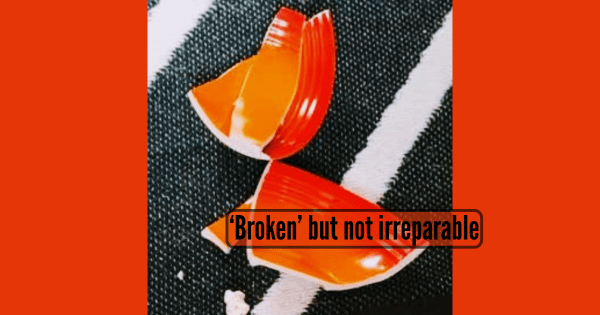
Broken seems to be the hardest word

Or, at least the word appears to be difficult to hear for most of the ADHD podcasters. I’m not sure exactly when it became obligatory to end every episode with a ‘Remember, you’re not broken – just different‘, or something in the vein of that. To that, I have precisely one thing to say: Fuck off.

This type of message can be construed as the speaker is telling someone how to feel. There’s a word for this; invalidation.

American psychologist Dr Jamie Long defines invalidation as:

“The process of denying, rejecting or dismissing someone’s feelings. Invalidation sends the message that a person’s subjective emotional experience is inaccurate, insignificant, and/or unacceptable.”

Long goes on to explain that telling someone they shouldn’t feel a certain way ‘conveys contempt and superiority’. Regardless of how unintentional it may be, invalidation can be ‘one of the most damaging forms of emotional abuse’, according to Dr Long (2017).

You can read the article in full on her website, by clicking this link.

With some facts to justify my opinion and highlight the importance of acknowledging others, I’ll get on with my rant.

To my knowledge, no prophet worth their salt ever claimed to be one. Apart from Brian, perhaps, but we all remember that he was just a ‘very naughty boy‘. Yet, a horde of mental patients turned self-proclaimed neurodivergence experts have come to think of themselves as the second coming, or perhaps a little closer to the big man; omniscient.

They seemingly liken themselves to the Messiah of the looney bin – leaders of the un-broken newly diagnosed. Behaving as if they have all the answers makes them a potential danger to themselves and others, just because they’ve been diagnosed with something that made them crawl into a seemingly bottomless search engine wormhole, or even crack a book in some cases. Ironically, in true ADHD hyperfocus fashion, they seemingly forgot to check the facts or look for more sides to the story when they’d had their fill of research and decided their newfound knowledge must be broadcast to fellow sufferers, because now they have found the answer! Come off it.

As Attitude puts it in their well-researched article on hyperfocus, once in this state, we can often become ‘so engrossed we block out the world around us’. Which, of course, can be good for our personal learning.

However, it can make some people forget that the information we devour might not be applicable to others. I particularly find this to be the case with podcasters with AuDHD, which shouldn’t come as a massive surprise, seeing as some of them struggle to see past their own nose on a good day. Put in a more delicate way, in an article by the NHS on autism in adults, people with autism ‘find it hard to understand what others are thinking or feeling’ and can ‘take things very literally’. These traits, combined with hyper fixation and a WiFi connection, is perhaps a concoction best left to sit safely behind an unhackable paywall. Which, in fairness, someone with AuDHD would likely be able to set up, given they have a special interest in computer programming.

Anyway, we are back to the initial phrase. The ‘you are not broken‘ness of it all. Due to AuDHD podcasters innate quality of having trouble putting themselves in somebody else’s shoes, they may fail to see how this statement might make someone slightly more emotionally inclined feel as if their feelings have been dismissed and trivialised. Because some of us actually need to feel a little broken, in order to put ourselves back together again.

Either way, someone with an extreme need for attention might not be the best educator. And if you’re the host of a podcast where you are the main attraction and self-proclaimed expert, you should’ve guessed it, you are bordering on narcissism. It’s like going down to Speakers’ corner and shouting your opinion for everyone to hear, but the problem is that, since you’ve invested in a mic and some audio editing software, people are likely to think that you’ve actually got something of value to share, outside of your own lived experience.

I’m not saying all people with autism are narcissists, nor do I mean to claim that all of them are utterly devoid of empathy, I am simply pointing out the damage something unintentional can cause if you don’t stop to take all of the facts adhering to a diagnosis – and not least differences in personality and/or lived experience – into consideration before you present something as a universal truth.

Invalidation (and autism) aside, there’s something to be said for letting yourself really feel what you feel, in order to achieve a sense of control over the emotion – rather than having it control you.

Don’t get me wrong – I don’t think wallowing is particularly good for you either. But surely you are sending some conflicting signals to your unconscious if you let someone else dictate how you feel. I suppose it can be nice to hear that someone else thinks that you should think that you are a good human specimen just as you are, but it doesn’t take away from the fact that you yourself feel as if you are in dire need of repair.

Most of us can’t just adopt a mantra of saying ‘I’m not broken’ to ourselves in the mirror until we’re blue in the face and hope that some sort of unbrokenness will manifest all of its own – we have to acknowledge and respect the process before we can trust it.

So what if I am a little broken right now. But it is crucial to my recovery that I can be allowed to acknowledge that and start learning how to rebuild myself over time – adopting new, healthier coping strategies that will keep me from falling a part too quickly the next time life throws me a few curveballs. Your telling me I’m not broken really isn’t helping when that’s how I feel. And I am sure others feel the same way.

My process is my own and I need to work through it, without someone else trivialising my emotions or my situation. I need to be able to imagine for myself a life in which I am a little more together in order to find the steps to get there.

I forget who said this, but I think ‘there is beauty in something that has been broken and put back together, because its new composition makes it stronger and more unique‘ is a good quote. Might have gotten it from a Hallmark movie, actually. Anyway.

We can all feel a little broken sometimes. That should be okay, shouldn’t it? It shows that we’ve got some perspective and self-awareness.

The fact that you feel a little fragmented right now, doesn’t mean you won’t at some point become something that feels a bit more whole – or that you should come to believe it’s a permanent state. Quite the opposite – we just need to find all the pieces and the right adhesive before we start piecing it all together.

There is great strength in admitting weakness. And you can quote me on that.

See you next Tuesday, for a special Piemageddon update!

Here are some sick Bad Religion tunes as a reward for reading. A proverbial potpourri of punk at its very finest. Enjoy!

Nietzsche, Narnia og behov for reform i psykisk helsevern

Hun sitter på venterommet på sitt lokale DPS. Hun er deprimert. Ødelagt. Samtidig er hun engstelig og nervøs i forkant av timen sin – det eneste hun vil er å forsvinne. Det sitter folk rundt henne, som hun håper at ikke ser henne, helt sikkert på samme måte som de ikke vil at hun skal se dem på.

Hun har ikke vært her før, så hun brukte lang tid på å manne seg opp før hun henvendte seg i hovedresepsjonen ved inngangen da hun kom, for å høre om hun var på riktig sted. Som svar får hun at, “Men du skal jo ikke hit! Har du ikke lest innkallingsbrevet ordentlig? Det står jo der!” Men det gjør det ikke. Under stedskategorien står det helt enkelt navn på avdeling, Hovedinngangen i 1. etasje og adressen til bygget. Det står ikke at resepsjonen til poliklinikken er et annet sted. Heller ikke at det er flere enn én resepsjon og at den ligger i en annen etasje.

Allikevel ber hun om unnskyldning og spør hvor hun skal gå.

I resepsjonen der man skal melde sin ankomst, satt det noen som tilsynelatende ikke brød seg om andre så på dem eller ikke. De var vant til å bli sett på som dyr i bur. Vant til å få stygge blikk og slengbemerkninger sendt i sin retning. Disse folka så ut til å være i forsvarsposisjon allerede – en blanding av livredd og aggressiv, konstant på vakt etter fare. Hva man nå legger i ordet fare. Det er instinktet som tar over når det er alt vi har til å hjelpe oss.

Allerede på venterommet er hierarkiet blitt tydeliggjort, for alle parter; de som jobber på avdelingen er mer verdt enn pasientene som gjør at de har en jobb å gå til.

Hun skynder seg ut av rommet og bort til riktig venterom.

Denne situasjonen, som er langt fra ualminnelig, får meg til å tenke på noe karakteren til Peter Dinklage, Trumpkin, sier i en av de nye Disney-adaptasjonene av Historien om Narnia: “Hvis man blir behandlet som et dumt dyr lenge nok, så er det sånn man blir.”

Selv om sitatet over er en liten omskrivningsfrihet manusforfatteren på filmen har tatt seg ved å slå sammen to sitater fra to forskjellige karakterer (Lucy og Trumpkin), er essensen den samme. Blir man kritisert og mishandla lenge nok, så gir man til slutt opp og etter for et onde det er mindre vanskelig å kontrollere. For de aller fleste kan dette ondet være ulike former for selvskading, og under den paraplyen plasserer jeg i dag selvmedisinering med ulike former for rusmidler, selvmordsforsøk, kutting og det å sette seg selv i potensielt farlige situasjoner uten å tenke på konsekvensene. Flertallet reagerer med å straffe seg selv, mens vi har et fåtall som er ute etter å hevne seg og forvolde skade utover seg selv. Begge gruppene kan tolkes som farlige, men på vidt forskjellige måter. Og når noen som har blitt avhengig av rus for å leve med traumer og andre psykiske lidelser blir fratatt muligheten til å selvmedisinere, da er det enten Dr. Jekyll eller Mr. Hyde som kommer fram.

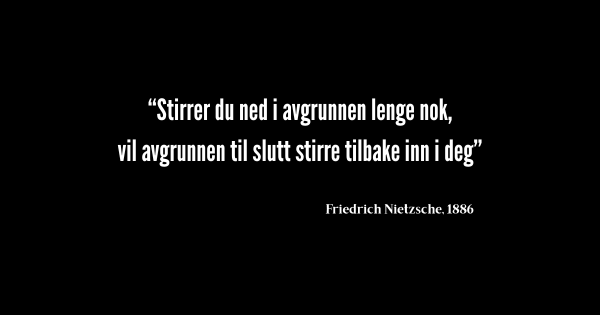
Filosofen Friedrich Nietzsche har et utsagn fra Beyond Good and Evil (Originaltittel: Jenseits von Gut und Böse), som, i min personlige tolkning av den noe omstridte engelske oversettelsen, går ut på at den som kjemper mot (indre) demoner, må passe på at man ikke selv blir en av disse demonene (les: tar til seg onde kvaliteter) i prosessen. I overført betydning kan vi tolke det som at, når man kjemper mot demoner konstant og over lang tid, så kommer man til slutt til et punkt hvor man ikke orker å stritte imot mer, eller man glemmer hvorfor man var så imot det til å begynne med. Dette er ikke helt ulikt det C.S. Lewis skrev i Prince Caspian i 1951, 65 år etter.

Det er vanskelig å si om Lewis var inspirert av den tyske filosofen eller ei, men med tanke på at Lewis var kristen da han skrev bøkene (til tross for at han var ateist fra han var 15 til 31) og Nietzsche var kjent for proklamasjonen ‘Gud er død‘, så skal jeg være forsiktig med å mene noe om det.

De norske oversettelsene av Nietzsche er helt krise, så dem viser jeg ikke til her, men vi kan være enige om at det nok helt sikkert sies best på originalspråket:

“Wer mit Ungeheuern kämpft, mag zusehn, dass er nicht dabei zum Ungeheuer wird.” (Nietzsche, 1886)

En liten, men nødvendig, digresjon for å illustrere litt av poenget under.

Det gruppene fra innledningen har til felles er at de begge har blitt klassifisert som en stor nok fare for seg selv eller andre at det må gjøres noe med. En så stor fare er de alle, at resepsjonen på avdelingen er avdelt fra rommet med en ekstra dør, et tjukt lag med glass som resepsjonisten må åpne fysisk for å snakke med pasientene, samt persienner de kan trekke fra, sånn at pasientene ikke kan se inn på dem som sitter på kontordelen bak resepsjonen.

En annen ting pasientene kanskje også har til felles er at de ikke vil være der. Hadde de ikke vært så desperate etter å komme seg ut av situasjonen de er i, så hadde nok mange snudd i døra.

Uansett.

Hun skynder seg som nevnt motløst tilbake gjennom rommet og går til neste venterom, hvor hun sitter i sikkert nærmere 20 minutter, mens andre rundt henne blir hentet av sine respektive behandlere og tatt med bak en lukket dør med kodelås. Alle blir ropt opp med fornavn eller etternavn og hun vrir seg i stolen og prøver å distrahere seg ved å lære seg noen spanske gloser med DuoLingo-appen.

Plutselig kommer det voldsomt rabalder fra et annet rom. Noe går i gulvet og hun hører roping. Så går alarmen. Med ett kommer det ikke flere behandlere ut for å hente noen, og de blir sittende i uvisshet mens alarmen fortsetter å ule. Ingen kommer å sier ifra om hva det er som skjer eller hvor de skal gå.

Etter en stund stopper ulingen. Bråket har også gitt seg. Når hun omsider blir hentet av en behandler, får hun vite at det var en av pasientene på det andre venterommet som hadde utagert.

Så lite er jeg verdt, tenker hun, at det ikke har noe å si hva som skjer med meg. Kankje tenker hun på det hun leste om Nietzsche for en mannsalder siden.

Det jeg ønsker å få fram her, er at det kan virke mot sin hensikt å dumpe alle psykiatripasientene sammen. Det skilles ikke engang på type rusmisbruk – rus er rus i Norge. For å sette det litt på spissen, så blir kokainsnortere, hasjrøykende ungdom og steroidavhengige plassert side om side med tunge heroinmisbrukere. Det er ikke positivt for noen. Det de har til felles er at de trenger hjelp. Det er ikke hensiktsmessig å få folk til å føle på mer utenforskap enn de allerede gjør. Det er heller ikke spesielt heldig å plassere psykiatripasienter uten rusproblematikk sammen med den andre gruppen.

Denne behandlingen av syke er ikke i tråd med å nå FNs tredje bærekraftsmål, om å sikre god helse og fremme livskvalitet for alle.

Jeg kan forstå at mange med rusproblematikk har psykiske lidelser, men langt fra alle med psykiske lidelser har rusproblemer. På samme vis er mange i begge leirene belemret med høy intelligens – det kan man jo spekulere i at er grunnen til både egenmedisineringen og visse psykiske helsesymptomer – men på distrikspsykiatrisk sykehus blir man ofte behandlet som om man ikke er spesielt reflektert. Da hadde man vel ikke havnet i en situasjon hvor man behøver hjelp?

Det er vanskelig å forstå hvorfor systemet på død og liv skal plassere alle i samme bås. Og jeg forstår at mangel på midler kan være del av forklaringen. Men det finnes mange måter å løse problemet på. Man kan jo for eksempel slutte å gi statsstøtte til kirken, som ikke har vært del av staten Norge siden 2017.

På Regjeringens nettsider leser vi i en artikkel fra 7. oktober i fjor, at det i “statsbudsjettet for 2025 foreslås et rammetilskudd til kirken på 2,66 milliarder kroner” (Regjeringen, 2024). I samme budsjett ble det satt av 400 millioner til en opptrappingsplan for psykisk helse, noe som ble omtalt som en “historisk satsing på vår felles helsetjeneste“.

Jeg nevner for øvrig at Gravplassetaten er underlagt kommunen og at de kommunalt ansatte som jobber på gravplassene får lønnen sin derfra – ikke fra kirken gravplassen tilhører.

I følge Kirkens egne hjemmesider, så viste tall fra Statistisk Sentralbyrå at 61,7 prosent av Norges befolkning var medlem i den norske kirke (Den norske kirke, u.å.). Da er det vel på sin plass å minne om at 100 prosent av befolkningen kan bli psykisk syke, helt uavhengig av livssyn. Burde ikke det rettferdiggjøre en liten revurdering (les: revidering)?

Hvorfor skal man bruke milliarder på å restaurere gamle bygg og miljøskadelige gravplasser (dette kan du lese mer om på gravskog.no), når vi ikke har nok sykehusplasser eller bredt nok langtids helsetilbud til at folk kan få behandlingen de trenger for å bli ordentlig friske igjen?

Kirken er bare ett eksempel, selvfølgelig, men et viktig et. Kutt eller omrokkeringer i statsbudsjettet blir kanskje ikke så populært i visse kretser til å begynne med, men hele samfunnet kommer til å se god avkastning på en økonomisk investering og opprustning av psykisk helsevern på sikt.

Hvis politikerne er interessert i å satse på bedre psykisk helsevern, så må de begynne å se på pasientene som annet enn statistikk. Vi er alle mennesker med samme rett til et verdig liv. Dette endrer seg ikke når vi blir syke, hverken fysisk eller psykisk. Jeg har ikke noe behov for å nevne partiene jeg vet ikke har interesse av å vedkjenne seg at psykisk uhelse eksisterer, så jeg henvender meg heller til dem som har satt helse og omsorg på agendaen i forkant av høstens Stortingsvalg:

Tre av dem som er klare på hvordan og hvorfor de ønsker å oppnå sine mål for bedring av psykisk helsevern er Arbeiderpartiet, Miljøpartiet De Grønne og Sosialistisk Venstreparti. Lenke til de respektive partiprogrammene ligger i forkortelsene under.

Hvordan skal vi løse dette, AP, MDG, SV?

En omveltning er på høy tid. Det er oss velgere som kan bidra til at vi får det bedre, så pass på at du har både hjernen og hjertet med deg når du avlegger din stemme ved valgurna i høst. Vi er så heldige å ha rett til å stemme i dette landet, så den retten må vi bruke med vett og andektighet.

Del gjerne dette innlegget med noen du synes burde lese det.

Fighting for our rights, or simply screaming for vengeance?

I run the risk of making myself very unpopular here, particularly among those who won’t bother reading past the first paragraph, but I think it’s time we took a long, hard look at how feminism is perceived by those who call themselves feminists (i.e. neofeminists), having mistaken own-gender favouritism for ‘equality’.

First, let’s look at what feminism is really all about.

You can date feminist protests back to the 3rd century BCE. When the “first wave” of feminism first arose in the 1800s, it was from a need for constitutional and social equality, in a society where women were subjugated to men. This need for equality between the sexes, or fight against oppression, is still very much a key cause in modern day feminism.

The European Institute for Gender Equality defines feminism as follows:

“Political stance and commitment to change the political position of women and promote gender equality, based on the thesis that women are subjugated because of their gendered body, i.e. sex.” (EIGA, n.d.)

On the same page, there is additional information about the workings of modern day feminism:

“Contemporary feminisms’ main focus is either a re-evaluation and reconceptualisation of women, their positions and roles, or a deconstruction of covert forms of gender discrimination and exclusion.”

This is important stuff, people! So, why am I in such a huff?

Well, nowhere in any of the above quotes did we read that modern day males should be punished for the norms and legislations of a society they did not help build. Perpetuating these norms today in plain ignorance should of course be subject to both criticism and consequence, and I think that this can be read between the lines here, but simply being born with your genitalia on the outside of your physical body does not a criminal make.

Back to the misapprehension aspect of neofeminism. Which is different from new feminism, by the way. Look it up. Neofeminists tend to glorify the female aspect. Not very equally inclined, if you ask me.

Thus, in their attempt to ‘take down the patriarchy’ by trying to flip the coin and make persons of the male gender feel inferior, these neofeminists take the focus away from where the feminist movement is still sorely needed because women’s rights are not equal to those of their male peers.

I am talking about the places and societies where women still don’t have the right to vote (Eritrea and Vatican City), where they aren’t allowed out in the open without covering themselves up, where they are forced to remain silent until their husband, brother or other male family member allows them to speak, where they do not have the same educational opportunities as their male peers, where they cannot speak up about sexual harassment in the workplace in fear they will lose their job – where they are subject to very real oppression.

That is where we need political change.

And I am not talking about religious practices or beliefs here – to each their own – but behaviours and customs that become a breeding ground for hostility, fear, hate and megalomania.

To me, feminism represents working towards creating opportunities for those who wish to have a say in how they want to lead their lives, like having a career in a field where their gender is unrepresented and therefore overlooked – and not because they are unrepresented due to lack of real interest.

Gender quotas are bullshit. Especially when it comes to leadership in the workplace. Anyone who has studied leadership and better management styles will know that a true leader needs to have a real passion for their work in order to do their job properly. If something holds precedence over the leadership role, you should find something else to do. And the quality of being able to put your job first pertains to a certain type of person, regardless of gender. So, a leadership role shouldn’t go to a woman that applied just to see if she could get it, just because she’s among the underrepresented few, when there are highly qualified men just dying to do the job and make the required sacrifices to do so. Why apply for a job when you don’t absolutely want it?

And when we are on the subject of work, there’s the issue of equal pay. This new generation of patriarchy fighters seem to think that they are entitled to the same pay as their male colleagues, despite taking a week ‘off’ each month, where they demand to be left to their own devices so that they can deal with menstrual cramps, chocolate cravings and mood swings. If you’re not going to do your usual workload to a respectable standard for one week out of every month, how do you expect to get paid the same as someone who does do their job and manages to pick up the slack after you? And, don’t get me started on the type of women who apply for a job, only to accidentally get pregnant and go on maternity leave within 3 months of signing the contract.

In demanding this type of preferential treatment at work, how do you think that makes the rest of us look? Everyone will think we are equally weak, demanding and ignorant of others’ needs. Saying it should be your right as a woman to make such demands makes the whole equality aspect of feminism evaporate. In fact, it’s akin to taking a huge, bloody dump all over everything the feminism movement has accomplished to do and to this day works hard to fight for. It is the opposite of equality and has already had enough negative consequences to create a rift and perhaps make some people think that women should be put in their place.

So, when fairweather (now former) friends would ask me, in a rather accusatory tone, ‘and you call yourself a feminist?’, in response to my opinions or behaviour, my reply would be: ‘No, I don’t.’ And, I really don’t. Not because I disagree with the ideology, but because I don’t want to be associated with them or their misinformed view on something so important.

Whatever happened to fighting the power, together? Equality? Unity? Solidarity?

Don’t get me wrong, I’m all for equal rights and applaud the movement that secured our right to vote, not least to own a fucking credit card. But I’d rather not be associated with these self-proclaimed feminist that are under the impression that being a feminist means blaming and punishing men for everything that’s gone wrong in their own lives. You blame patriarchy for enforcing societal norms that aren’t suited to women, when in fact women are often the ones perpetuating (or enforcing) them. Mothers telling girls how to behave so that people will like them, teachers doing the same. Women treating men like they’ve done something wrong by simply existing. Women treating other women like dirt and playing games, just to cause confusion and fear. This type of behaviour is alienating, not community-building.

Then there’s linguistic trends, such as the emergence of the term ‘mansplaining’, for instance… There’s no one more guilty of explaining things in a way that makes the listener think they are cognitively bloody impaired, than a misinformed feminist. The fact that it’s been dubbed mansplaining and not overexplaining goes to show just how far some people have gone to put men in a derogatory light. This is opinion, of course, however educated it may be.

Anyway, that’s what irks me this week, and all the live long day.

If you’re going to fight for something, fight for equality, not for the glorification of one specific sex. We are all just parasites on this planet anyway, and before long, we will be but stardust in the solar wind.

See you next Tuesday (unless an asteroid wipes us out within the next few days)!

Also, you should listen to some nice tunes. Have some Lita Ford, some Blondie and some fucking Judas Priest (links below):

Invasion of the neuro-fluencers

In our day and age, anyone can take to almost any media platform and build themselves a brand and dub themselves an expert – no qualifications needed, other than being able to use your own computer and having access to the Internet. To create your own podcast, the ability to speak comes in handy as well, and you might require a microphone or some sound editing software, should you happen to care about the listener’s wellbeing at all. It appears you can also decide how your pod is labelled. Herein lies the danger.

Today, there are a million different ADHD/mental health themed podcasts across the many streaming apps and podcast platforms, many of which I have found helpful myself. But the amount of self-proclaimed experts creating these self-help pods is shocking. Many of these podcasts are categorised as “educational”, and almost all of them have a star rating of 4 and over (out of 5). If you have recently been diagnosed and are desperately looking for tools to help you tackle your symptoms and how they impact your everyday life, this will be exactly what you’ll be looking for.

After a day of sifting through various “recommended” (by Spotify) podcasts, it became very clear to me that there are a lot of people out there with no medical background, other than their own diagnosis and the advice they got from their doctor, that are presenting their personal experience as ‘one size fits all’ facts.

They are doling out advice on anything lifestyle related, from weight loss and exercise to medication and how everyone is so different to you that you should only surround yourself with others with the same diagnosis, without even having the odd expert on as a guest once in a while to offer some balance.

Then, I came across some woman claiming you should drink 4 whole litres of water or more in a day, without mentioning the fact that gulping it all in one go isn’t particularly healthy and can lead to low blood sodium levels, among other things… Worst case scenario if you drink too much too quickly? Brain damage. You can read more about overhydration on Healthline.

Of course drinking enough water is extremely important, especially in hot summer weather – dehydration has its own challenges – but let’s have a look at what happens to the brain when it’s in danger of overhydration, shall we?

We learn from a 2024 research article published by Swedish medical university Karolinska Institutet that “a healthy adult needs around two litres of water per day, or 30-34 millilitres per kilogram of body weight. That includes both the liquid from what we eat, which may be roughly one litre per day, and from what we drink” (Odlind, Karolinska Institutet, 2024). You can read the article in its entirety by clicking any word in this sentence. The general gist of it is that you should drink when you are thirsty, and not too much in one go.

The article goes on to explain how our kidneys may struggle to filter out excess water if we over-hydrate within a short space of time, and that we can experience swelling of the brain cells if our sodium levels become too low in relation to the water levels in the body.

Even though overhydration is rare, it does happen. After what I can gather, most cases are seen in athletes performing strenuous exercise, such as marathon running or similar. If one drinks too much before a race, instead of distributing one’s water intake over time by replenishing when thirsty or too hot, it can have a detrimental effect. We are not camels; trying to fill the tank before a race will not make us go for longer without water – according to the article, quite the opposite happens; it sends a signal to the body that we have more than enough water and should get rid of the excess.

In conclusion, the so-called advice from the podcaster is potentially quite dangerous. I will not mention any names here, as I don’t want to ruin anyone’s day, but I did give them a poor rating in hope that it might help others.

Needless to say, this was the last drop for me – I had had enough of soundwave cowboys.


The above example is quite extreme, of course, but let’s delve into some of the other dangers of globally broadcast misinformation. The fact that you have a diagnosis does not automatically make you an expert on that part of the medical field, in the same way that being able to use search engines efficiently does not make you a researcher. The fact that you can use Google does not make you a scientist.

Your diagnosis might (should, with proper psychoeducation) help you become an expert on yourself and help you in your day-to-day, but it ends there. Although there are many commonalities in sufferers of the same disorder (controversial word in some circles, I know), we are all different. Your experience with a certain type of medication is not universal.

In fact, your preferred type of medication can be harmful to others, who may have comorbidities different to yours. Factors such as body type, gender, hormone levels or hereditary conditions may also affect how they respond to treatment. Only the patient’s personal medical practitioner is qualified to advise that person. I am not saying that you’re not allowed to have an opinion, but you need to realise that there is no cure-all for everyone, and that what your doctor told you is very rarely applicable to everyone else.

I know that you found your own research to be extraordinarily helpful, and that you want this same revelation for others that may struggle in the same way. But without any qualifications, your experiences are just that; YOURS. And a lot of it is just opinion. YOUR opinion. Newly diagnosed individuals may have comorbidities that you don’t know about. They need to discuss their diagnosis with their clinical therapist, neurologist or psychiatrist. Being in a vulnerable state, they may take your advice for fact. This is a real danger, people!

Sharing is caring, as they say, but remember to back up what you share with scientific evidence if you are going to present your findings as something other than opinion.

No links to any ADHD podcasts this week, as most of them are shite and I have gone off listening to them. If you want something gloriously witty, interspersed with a huge dollop of charms and filth, however, I can recommend Three Bean Salad (links in the Spotify and Instagram icons below). Go on, you know you need a laugh after this rant.

See you next Tuesday!

Statistics, diagnostics and the media – why certain news should only be distributed by experts

This is a double-edged sword. On one hand, we have the right to information that concerns us, yet on the other, the information gathered from these reports is often misinterpreted by uninformed journalists and thus miscommunicated through news outlets that fit their headers to accommodate the most clicks, instead of conveying what the researchers have found. (By uninformed, I mean that most desk journalists lacks the specific expertise to be able to understand properly the context and how scientific research is conducted, not that they are unintelligent.)

Uncritical A/B testing practices symbolises the death of integrity in modern media.

In short, psychological research should be published via professional channels and localised to the target audience, to prevent misunderstandings that can lead to the spreading of false information, or worse; greater socioeconomic inequality.

Because the fact remains, that mental health articles published by your bog standard online news outlet often refers to sufferers from mental (and physical) illness as a ‘them’; a third-person object.

I recently read somewhere, that ‘poor people have mental health issues and mental health issues lead to poverty’. That was the gist of it anyway. With that whole ‘third person’ mentality, one could assume that the tabloid readers and the more affluent members of society will take this to mean that the mentally ill are a burden on society. Maybe even the reason why the economy is in the shitter, so to speak. I am inclined to believe that news sites relying solely on A/B testing to increase their readership make matters far worse in those few instances they’ve got some actual news to report.

It’s the same with any articles on certain diagnoses; they are presented as a peculiar subject, something weird or bizarre, rather than something that affects a lot of people, both directly and indirectly. Of course, so-called reality shows such as The Undateables aren’t helping. And, no, I will not link to such horrific social pornography (for lack of a better term).

The solution to changing how mental illness is viewed is simple; psychoeducation. If the general public was to be presented with proper explanations and definitions by mental health experts, they, WE, would understand that everything is not as black and white as the media presents to us in its current uncaring and often ignorant state.

There are plenty of official networks and non-profit mental health organisations that publish research findings and psychology related news through easily digestible articles, but they are drowned out by the noise. Some of these, however, I will link to at the bottom of this post.

So, why should we care about psychoeducation, especially if we are not experiencing illness ourselves? I’m glad you asked. The World Health Organisation published numbers from 2019, indicating that as many as “1 in every 8 people worldwide are living with a mental disorder“. It would be fair to assume that more than one of ‘1 out of 8’ of us have carers, family or friends, or even colleagues, that are indirectly affected by our illness in some way. Not to mention that a lot of disorders can be hereditary. If we understood everything a little bit better, it might be easier to cope with certain things. Mass media are not the right communicators for this particular job.

Psychoeducation is important in a patient’s journey to recovery from or management of any mental illness, regardless of age. One can argue that it is essential – in order to understand yourself and your condition, you must first understand how it affects you. Science Direct has a more in-depth article on psychoeducation available on their site, if you want to learn more about what this entails.

Furthermore, psychoeducation can provide you with tools for when the mental health services close down after office hours or on bank holidays, which, for some, can be the most challenging parts of the year. As a bonus, proper psychoeducation can help everyone around you to understand things a little bit better as well. Wouldn’t it be nice if the nuanced field of psychology could be presented by someone with a passion for it, rather than someone that’s been told to ‘make the headline clickable’?

That’s probably more than enough for today – and I have some psychoeducation of my own to get back to. Thanks for reading!

See you next Tuesday.

Here’s a list of excellent outlets for those of us who want to learn more about ourselves and our loved ones:

Mental Health Mates UK

The ADHD Foundation

OCD UK

Depression UK

Anxiety UK

I would also like to recommend the following two podcasts, one of which tackles how mental health issues affect our daily lives in delightful, laidback, and sometimes emotional, human conversation, and the other an ADHD specific podcast, which offers interviews with leading experts on the field, as well as well-known guests.

The Life of Bryony

ADHD Chatter

Blog at WordPress.com.

Up ↑