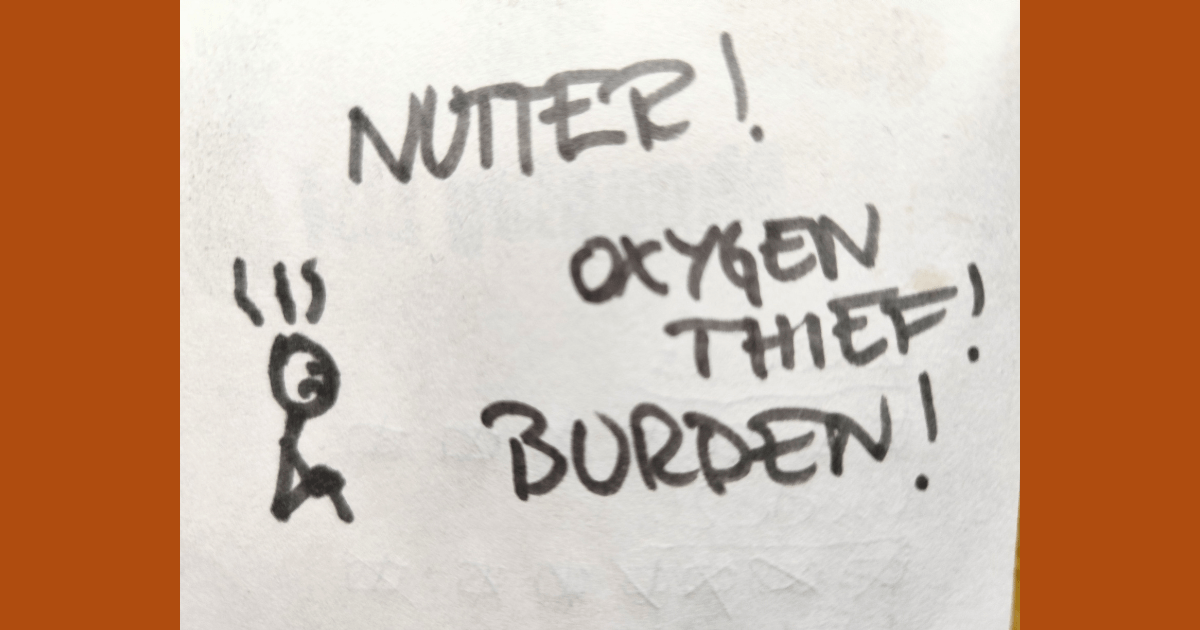
This is a double-edged sword. On one hand, we have the right to information that concerns us, yet on the other, the information gathered from these reports is often misinterpreted by uninformed journalists and thus miscommunicated through news outlets that fit their headers to accommodate the most clicks, instead of conveying what the researchers have found. (By uninformed, I mean that most desk journalists lacks the specific expertise to be able to understand properly the context and how scientific research is conducted, not that they are unintelligent.)
Uncritical A/B testing practices symbolises the death of integrity in modern media.
In short, psychological research should be published via professional channels and localised to the target audience, to prevent misunderstandings that can lead to the spreading of false information, or worse; greater socioeconomic inequality.
Because the fact remains, that mental health articles published by your bog standard online news outlet often refers to sufferers from mental (and physical) illness as a ‘them’; a third-person object.
I recently read somewhere, that ‘poor people have mental health issues and mental health issues lead to poverty’. That was the gist of it anyway. With that whole ‘third person’ mentality, one could assume that the tabloid readers and the more affluent members of society will take this to mean that the mentally ill are a burden on society. Maybe even the reason why the economy is in the shitter, so to speak. I am inclined to believe that news sites relying solely on A/B testing to increase their readership make matters far worse in those few instances they’ve got some actual news to report.
It’s the same with any articles on certain diagnoses; they are presented as a peculiar subject, something weird or bizarre, rather than something that affects a lot of people, both directly and indirectly. Of course, so-called reality shows such as The Undateables aren’t helping. And, no, I will not link to such horrific social pornography (for lack of a better term).
The solution to changing how mental illness is viewed is simple; psychoeducation. If the general public was to be presented with proper explanations and definitions by mental health experts, they, WE, would understand that everything is not as black and white as the media presents to us in its current uncaring and often ignorant state.
There are plenty of official networks and non-profit mental health organisations that publish research findings and psychology related news through easily digestible articles, but they are drowned out by the noise. Some of these, however, I will link to at the bottom of this post.
So, why should we care about psychoeducation, especially if we are not experiencing illness ourselves? I’m glad you asked. The World Health Organisation published numbers from 2019, indicating that as many as “1 in every 8 people worldwide are living with a mental disorder“. It would be fair to assume that more than one of ‘1 out of 8’ of us have carers, family or friends, or even colleagues, that are indirectly affected by our illness in some way. Not to mention that a lot of disorders can be hereditary. If we understood everything a little bit better, it might be easier to cope with certain things. Mass media are not the right communicators for this particular job.
Psychoeducation is important in a patient’s journey to recovery from or management of any mental illness, regardless of age. One can argue that it is essential – in order to understand yourself and your condition, you must first understand how it affects you. Science Direct has a more in-depth article on psychoeducation available on their site, if you want to learn more about what this entails.
Furthermore, psychoeducation can provide you with tools for when the mental health services close down after office hours or on bank holidays, which, for some, can be the most challenging parts of the year. As a bonus, proper psychoeducation can help everyone around you to understand things a little bit better as well. Wouldn’t it be nice if the nuanced field of psychology could be presented by someone with a passion for it, rather than someone that’s been told to ‘make the headline clickable’?
That’s probably more than enough for today – and I have some psychoeducation of my own to get back to. Thanks for reading!
See you next Tuesday.
Here’s a list of excellent outlets for those of us who want to learn more about ourselves and our loved ones:
I would also like to recommend the following two podcasts, one of which tackles how mental health issues affect our daily lives in delightful, laidback, and sometimes emotional, human conversation, and the other an ADHD specific podcast, which offers interviews with leading experts on the field, as well as well-known guests.
Discover more from Gonzo With the Wind
Subscribe to get the latest posts sent to your email.
 Gonzo With the Wind
Leave a comment