Why you should say f*ck off to faking it

Today, I’ll start by giving you a choice; you can see this post as the trivial, banal waffle of a fortysomething spinster, or as a welcome distraction to the soon to be if not already 3rd world war currently monopolising every news broadcast out there. Regardless of your choice, please be aware that I will now be diving straight into a rant, in an attempt to escape the harsher realities of my own existence.

If you’d like something more palatable, I suggest you go watch this episode of Banana Man on YouTube – you can do so by clicking anywhere on this sentence. It is quite delightful. Also, made by actual human beings using their actual minds. Even the voices are real.

Or you can pass START without collecting 100 dollars and instead spend a fiver supporting the poor by clicking on this one.

Don’t say I didn’t warn you.

We’ve all heard the phrase ‘fake it until you make it’, but as dishonest as such an approach may be – at least it used to come from a place of needing to accomplish something (and more often than not, the fakery came with a valuable learning experience or two). With the rise of AI, however, the faking has become the norm, and what’s more, no one seems to see the need to learn anything, even when it comes to developing a personality. What was initially designed to be a helpful tool to help develop ideas has become the thing that surely will eradicate both art and empathy in modern society. I’m not presenting this as fact, but I’d say it’s a rational fear at the very least. By faking your way through life using nowt but shortcuts and with no desire to add to your skillset, you’re not only lying to the people that have to suffer through your incompetence – you’re lying to yourself. It’s the ultimate injustice. And if there’s one thing I’ve learned about myself (and that this is a common trait for neurodivergent folks), it’s that I cannot stand injustice. Thus, there is no way that faking it to get ahead is the best solution for us.

To those who still don’t get it, I ask you this; what will you do once you reach the proverbial top? You’ve faked your way there and learned fuck all along the way. How the hell do you expect to carry on the charade?

I have chosen this particular topic, as I keep finding myself in positions where I am meant to pick up the ball from where one of these fakers left it, with no trace of them having done any actual work. In one such scenario, I kept asking for an overview of the processes and tasks I was to become responsible for in their absence, and was (after almost a month) presented with a list of links and a Word document with instructions for using software in which I am already proficient. Me being me, I thought I shouldn’t knock it before trying – maybe they had a better way of doing things – but I soon found myself stumped by the inaccuracy of the instructions. So, of course I asked them to clarify. (I’ve been wrong enough times in my life to know better than pretending to get it…). At which they simply replied; ‘oh, it’s easy, I just asked ChatGPT and jotted down the response for you’. No wonder the ‘quick fix’ tips did fuck all!

At least, with a paid version AI, you can get some decent guidelines, but you should probably run a few tests before listing them in an on-boarding document, eh? Also, I’d much rather do a non-assisted search to find three credible sources and take it from there, instead of having to fact-check anything generated by artificial intelligence.

I know I could’ve let this go – perhaps even should’ve, but I ended up wasting so much of my time trying to make use of the so-called instructions (and doubting myself) that I just couldn’t. It would have been better to just crack on the way I always do, and to revise my textbooks and course videos if and when I’d get stuck.

Over the past few years, I’ve seen so much of this and I’ve had enough. Why should people like me get punished for wanting to do the work and, for instance, writing my own CV and cover letter, when fakers, who’d rather sit all day and chat about what colour they’re going to paint the nursery than doing any actual work, get all the jobs they apply for because they don’t bother fact-checking the lies the AI bot has produced by creating a text out of their poorly worded bullet points? GAH.

Hear me when I say that I am quite irate. You’ve poked the bear one too many times. And this is much, much bigger than me being annoyed at lazy fakers.

Imagine, if you will, that something truly horrible happened to you – a crippling illness, or you were wrongfully accused and incarcerated for murder – would you trust a doctor or a public defender that “got “earned” their qualifications by taking shortcuts? Or, if all of the pipes in your house suddenly burst and needed replacing in the middle of winter, would you trust yourself or a partner using AI and YouTube videos to fix it over a certified plumber?

I certainly hope not.

So, what’s this to do with mental health? I hear you ask. Everything, I say.

Initially, I’d left myself a note to write and research how faking it rarely works for those with ADHD and a side of rejection and/or justice sensitivity. You can read more about this in Amelia Kelley (PhD)’s article on Psychology Today: How justice sensitivity amplifies world issues for ADHD.

I didn’t realise this was a thing until I got diagnosed – I’d just always thought I had a strong sense of justice. This helped explain a few things, but mostly why it felt so unnatural and just wrong for me to be faking anything. It’s like lying to yourself, and our need for justice will help our subconscious see through the lies, so we’ll end up feeling as if we’ve effectively tried to pull one over on ourselves. It’s like masking, but when we really don’t have to – or even should. (One could argue that you should never try to hide who you really are, but hey).

Which brings me to the scary, and most of all really quite harmful, side effect of masking: SKILL REGRESSION; defined on Psychology Today as “behavioural “backtracking” or reversion to earlier coping mechanisms that can occur as people progress through different stages of development”.

This was explained in much simpler terms in a podcast episode I listened to the other day (link at the very end of this post), as the regression of skills you learned while masking. Once you get treated for your symptoms and no longer need to mask, some of these skills may even need to be relearned and new neural pathways need to be constructed to help locate the seemingly forgotten skill. (Thank fuck for neuroplasticity, eh?). I wonder if this works for repressed memories as well. Who knows.

Anyway, I am at the end of my rope here and I need to get ready for work. I promised you a link, so enjoy this episode of Hypercast by clicking on the Spotify link below.

See you next Tuesday! There may or may not be a post on suicide recovery and friendship. Stay tuned.
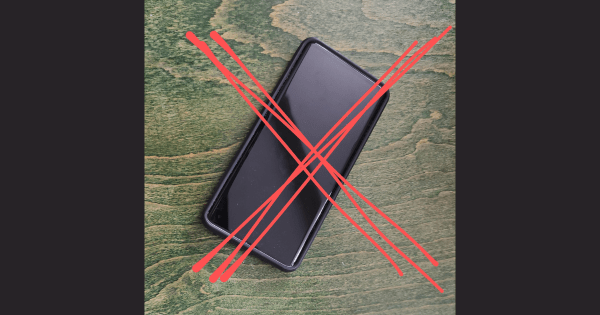
Observations from the road and why you should leave your phone at home

Can you imagine a world where strangers interact with one another in a calm, polite and even interested manner? Taking their time to look up and notice the world around them? Actually acting as if they’re not using their handheld devices as some sort of protective shield against human emotion? A commute without your in-ears so far into your skull that the filters have melted into your eardrums?

Utopia, surely. Or is it?

Here’s how a trip to the Lake District restored some of my ever diminishing belief in humanity.

As my train pulled up to Windermere station on a Monday morning, I began to notice how none of the other travellers seemed to be on their phone. Seeing as I had a 2 to 3 hour walk through unknown territory ahead of me, I had of course spent my train journey anxiously looking at my phone every few seconds just to make sure it was still charging – what would I do if my battery died and I’d be unable to rely on the magic of GPS?

What I had done, however, was put my headphones away to preserve what little juice remained in the battery, and for the first time in a long time I discovered that the noise around me didn’t bother me at all. Because, apart from the calming chug-chugs from the train itself, there was none. (To be fair, this was the 6am service from Birmingham via Oxenholme, so it wasn’t as if the carriage was full, but still).

Myself being very me, I had discovered a gem of a place in Windermere beautifully named Cockshot Point, which I’d included in my route despite the 4 mile detour. As I disembarked the train I started up the mapping app, but left my headphones in my massive rucksack and started making my way through the town centre.

Strangely enough, the distance down to the lakeshore seemed not so far now that I wasn’t telling the time by the duration of the songs in my playlist, so I walked around for a bit before starting on the last leg of the trek, the 6 mile hike to Ambleside – still forgoing the familiar soundscape and trusty companionship my Heaviness playlist has provided me with since the dawn of music streaming.

Again, it seemed as if time stood still, despite the traffic constantly going past as I walked. The sound of wind in the trees, bleating of sheep and the lake in the distance seemed to amplify everything around me. The green of the grass, the brown of the endless tree trunks seemed more vivid than I could remember. And as I was walking along the same road for most of it, I didn’t have to keep checking the app either.

I was sweating like a pig in a volcano, but not even that seemed to bother me. Also, if it got to a stage where seeing my sweaty person would traumatise other hikers, I could just throw myself into the lake.

Another plus of leaving the music behind was the fact that I could hear the cars coming long before I’d have to find somewhere safe on the narrow pavement. But enough of all this walking business – I’m sure you’ve got better things to do. The point is, it got me thinking about something I’ve thought about a lot in recent years; that we could all benefit from leaving our devices behind once in a while.

When was the last time you spent a night out (or day, for that matter) actually enjoying yourself, rather than trying to find the perfect photo-op for your Instagram, for instance? The Internet can wait – and by keeping certain things private, they might even become cherished memories that are just yours.

Anyway, I hit Google to find something to support my theory; is reducing screen time beneficial to my overall wellbeing?

The sciencey bit

A study published by the National Institutes of Health found that smartphone screen time reduction can be beneficial to your mental health. Click on the link for the full article. Not surprising, but interesting nonetheless.

Then, on Unplugged.rest, I discovered that a study finds that only 72 hours away from your phone is enough to “rewire your brain against phone addiction”.

I’ve also been reading about how ChatGPT – and AI in general – can be detrimental to mental health. In fact, it’s dubbed chatbot psychosis. Here’s an article from The Telegraph on the topic that we should all read.

The observation

I think that the above indicates that we should take a step back from relying too much on technology in our everyday lives. And I wish, now, that I’d asked to photograph the people in the situation I am about to use to illustrate my point. Alas, I didn’t have my phone to hand.

After 24 hours in lovely Ambleside, a pal and I set off on a 45 minute bus journey that would take us to our train to Edinburgh. Once we’d stopped uncontrollably perspiring due to the heat and lack of air conditioning, I noticed something so surreal that I had to grab my pal by the arm and go, ‘are you seeing what I’m seeing?’

Not a single person had their phone out, or any visible earphones or headphones, even though they seemed to all be solo travellers. Most of them we’re gazing out the window at the passing landscape, whereas others sat there, seemingly content. Even a young kid, about 15, sat there with no phone, and when an elderly gentleman with a dog got on, he even moved to give him his seat AND asked if he could say hi to the dog. And then… they had a full-on conversation. Strangers. This type of behaviour has been unheard of on any public transport I’ve been on in the past decade! And that’s when I noticed how content they all looked, some even happy. Relaxed, even though the bus was running about two minutes late.

And that’s when I decided, there’s hope.

I don’t think fitness apps, calorie counters, games apps – all that shite – is doing us any favours. It certainly adds to the stress and anxiety in my own life, so I assume I am not alone in this. Some of these apps are designed to give you some sense of accountability, of course, but it’s just too much with the obsessive logging and the constant need to add one more thing to the list or log another activity – and what happens if you don’t make it to 300 kilometres of running this month?? ‘Heeeeeeeere’s DEPRESSION‘, as Johnny’s less homicidal brother would say.

So, do yourself a favour. Put your phone away and go for a fucking walk. Read a fucking book. Go see your fucking friend without posting about it on social media.

But, before you go, listen to this podcast episode about Hans the Hedgehod on Three Bean Salad (link below).

See ya next Tuesday.

Kunstig Idioti – nå er det nok

I et innlegg på LinkedIn kunne jeg i går lese at bedrifter, organisasjoner og regjeringer investerer voldsomt i kunstig intelligens. Norges regjering har tilsynelatende valgt å satse på forskning på KI, noe som kan være veldig bra, men ikke alle vil forske – de vil bare optimalisere bruken, som jeg forstår det etter å ha tittet litt rundt. Disse kildene får du søke opp selv. Dette innlegget er en kommentar.

Innlegget jeg viser til var for øvrig en uke gammelt og delt av en av mine forbindelser, men det er fortsatt forferdelig relevant. Det opprinnelige innlegget er skrevet av Anders Eidesvik og du kan lese det ved å klikke på lenka.

Da ble jeg provosert. Hvorfor i all verden “satses” det på KI? For at staten skal kunne forsikre seg om at enda flere vil gå uten jobb på lang sikt? For at folk skal bli så lite reflekterte at de ikke lenger bryr seg om å stemme ved valg eller stille spørsmål ved menneskerettighetsstridende avgjørelser som blir tatt?

Hvis noen har sett filmen Idiocracy, så skjønner dere kanskje hva jeg mener eller hvorfor jeg har vært skeptisk til kunstig “intelligens”. Man kan jo også for øvrig se på den norske definisjonen av ordet intelligens og den engelske definisjonen av det ordet som det har blitt oversatt fra – på engelsk har dette ordet flere mulige betydninger, mens det på norsk er synonymt med den mentale evnen til å forstå sammenhenger Dessverre er det nok mange som forstår det som ensbetydende med smart, oppvakt, mentalt avansert, eller hva man nå vil kalle det. Derfor er det rimelig å anta at mange tror at KI er en slags reflektert robot, mens sannheten er en annen.

KI er laget for å finne sammenhenger for å sende brukeren i riktig retning – det er ikke en allvitende professor som sitter med fasiten i backenden og sjekker alle kildene før den gir deg noe som for deg ser ut som et svar. For de som bruker gratisversjonen av KI (les: En versjon som ikke er spesifikt programmert for et angitt formål) til å skrive personlige hilsener, nyhetsartikler og eksamensoppgaver helt ukritisk, heller enn å bruke det som en sparringspartner når man står litt fast, blir dette en slags snarvei som gjør at man selv lar være å bruke de mentale tankeprosessen vi trenger for å kunne lagre informasjon. Og hvis vi glemmer å øve oss på å lære ting ordentlig? Ja, da skal det godt gjøres å greie seg ute i den virkelige verden. Som musklene i kroppen vår trenger også hjernen å brukes for å opprettholde god form.

Kortere sagt, som en ekstra tjeneste til deg som bruker programvare til å få lest opp denne teksten så du kan lytte mens du ser på kattevideoer samtidig, så vil hjernen få inntrykk av at du er ferdig med å lære ting eller være kreativ, så da er det ikke noen vits for den å drive å lagre ny informasjon eller jobbe for å optimalisere arbeidsminnet heller.

Hadde den hjernen vært en harddisk, så hadde du sikkert bytta den inn til fordel for en ny med bedre prosessorer. Men hjernen vår har vi liksom bare en av, da. Kan ikke bare stikke på clasærn og kjøpe en ny.

Nå er det ikke lenge siden forskere kunne fremlegge vitenskapelig bevis på at bruk av KI kan være fordummende, noe som strengt tatt ikke burde komme som noen voldsom overraskelse, siden ukritisk bruk av KI eliminerer behovet for å huske ting eller å bruke den kreative delen av hjernen. Bruker du KI for å utføre arbeidsoppgavene dine, så blir det jo nesten som du gir deg selv en liten lobotomi hver eneste dag. Selv om en lobotomi strengt tatt i det minste er stimulerende på hjernen. TV2 har publisert en sak om MIT-studien, om du kan lese når du klikker på lenken.

Med internett tilgjengelig nesten overalt, så er det fort gjort å søke opp ting på mobilen, heller enn å prøve å dra ting fram fra minnet. Men om du noen gang har vært på quiz og funnet et sånt gullkorn som har festa seg langt inni hjernebarken, og som du nesten ikke husker hvorfor du vet, vet hvor tilfredsstillende mestringsfølelsen er når du kommer på det av egen maskin.

Det er juks å bruke mobilen! Man blir vel ikke spesielt stolt av det heller, tenker jeg. ‘Se så flink jeg er til å bruke søkemotoren’, liksom.

Nå skriver folk snart ikke lenger kort, taler, sangtekster eller kjærlighetsbrev heller. Hva skjer da, tror dere? Det er vel mer enn rimelig å anta at man blir ganske emosjonelt avstumpa?

Å bruke KI helt ukritisk blir som å spørre en korrupt president om noe han ikke har svaret på; du kan nesten banne på at han kommer til å gi deg et svar uansett, som han rett og slett har henta ut fra løse lufta. Fantasi og oppspinn, som han finner på fordi han vet hva du vil høre og hvordan han kan bruke det til å stille seg selv i et bedre lys. Ville du tatt det for god fisk også?

Samfunnet er i ferd med å tilpasses de som benytter seg av snarveier, noe som jeg fryktet vil gå utover livskvaliteten til de aller fleste av oss. De av oss som har litt over gjennomsnittlig voldsom hjerneaktivitet blir diagnostisert og medisinert for å innsnevre et tilsynelatende schizofrent fokus og hemme evnen til å gjøre tusen ting
samtidig, for så å bli oppmuntret til å bruke KI som mestringsverktøy.

Mener dere virkelig at de som faktisk er godt nok rustet til å takle en verden etter samfunnsraseringen som truer i horisonten skal bedøves og handlingslammes? De er jo så godt som laget for krisesituasjoner. Kanskje litt ubrukelige når trykket letter, men allikevel de eneste som greier å holde hodet kaldt og jobbe seg gjennom når det stormer som verst. Den gode gamle kjemp-eller-flykt-responsen fungerer hensiktsmessig for disse menneskene.

Strengt tatt har katastrofen og krisen allerede rammet oss. Hardt. Men det er tilsynelatende svært få som har evne til å tenke over noe utover sin egen mobilskjerm lenger, så da er det heller ingen som bryr seg.

Er det for mye forlangt å ønske seg en liten meteorskur, akkurat kraftig nok til at Internett og programmeringsbasene kræsjer? I det aller minste kan jeg vel få lov til å slippe at tastaturet mitt setter inn orddeling der det absolutt ikke hører hjemme, eller slipper å måtte omprogrammere min egen mobil, nettleser eller Office-pakken jeg betaler for, for at jeg skal slippe å få opp misvisende informasjon når jeg forsøker å finne noe på nett?

Jeg satt på trikken og skreiv dette, så det så vel ut som jeg også har gitt meg hen til den digitale verden med stjerner i øynene. Det vil jeg ikke ha noe av, så jeg la vekk mobilen og lot fingerdiaréen hvile litt istedenfor.

Nå er det nemlig nok. Jeg vil lese en bok, dra på quiz, se en film jeg husker noe av, sette telefonen i flymodus eller la den ligge i lomma og gå meg en tur og se omgivelsene mine helt ufiltrert, bare en liten stund, sånn at hjernen får skrudd seg på igjen. Det synes jeg du kan bli med på også.

Ikke tro på alt internett forteller deg.

Håper resten av uka for blir nydelig og fri for KI, med mindre du trenger noen å kaste litt ball med, i fravær av egnet menneskelig samtalepartner. Det er jo ikke alltid sunt å debattere med seg selv heller.

Men slå et slag for hjernen din – den er nemlig fin å ha når den får fungere som den skal. Og ta å drit i å la KI skrive konfirmasjonstalen til ungene dine, eller en god vits du kan dra i festlig lag.

Kommer det ikke fra hjertet, så kan man la være. Det gjelder det aller meste.

Men nå er det nok ord på sida her, så her avslutter jeg rett og slett.

Blog at WordPress.com.

Up ↑