When am I? Time blindness, on speed

I remember very well the first time I heard the lyric, “Neurotic to the bone, no doubt about it“, because my 11 year old self could relate in a very real way. Cheers, Green Day.

I may not have known what a dookie was at 11, but I knew neurosis. (Excellent band, by the way, Neurosis.)

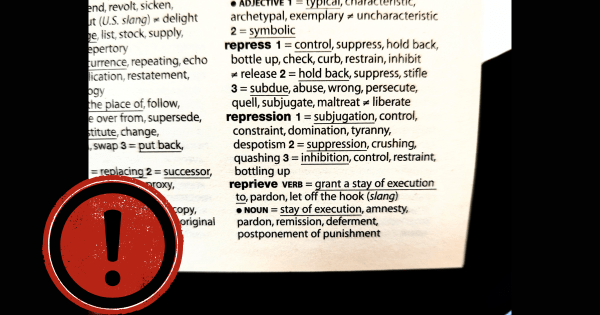
Now, for a multitude of reasons, I’m not a fan of Freudian psychoanalytic theory. Or, perhaps I am not a fan of how it seems to have become gospel to so many. Therefore, I am not going to delve much deeper into neurosis as a descriptive tool, so often used by followers of the aforementioned theory. In my humble opinion, old Sigmund was a bit of a wanker, with a massive Oedipus complex. In his inability to seek treatment for his own obsession with his mother, it appears that he decided to use his professional platform to ruin everyone else’s relationship with theirs. He might have been the founder of psychoanalysis, but some of his theories – because they would always circle back to the repressive element and make it into something dirty, rather than simply unhealthy – are pure bad philosophy, dressing up as medical science. I’m not saying we should underestimate the power of the Id, but take the man with a pinch of salt. Why does it always have to be about sex with this boy? Not everyone is repressed. Also, the world has changed quite a bit since his time. A good theory rarely has one finite solution.

Anyway…

So, if you haven’t guessed already, I’m a wee bit neurotic. Psychology Today defines neuroticism as “a tendency toward anxiety, depression, self-doubt, and other negative feelings. That’s me, in a nutshell. Always have been, always will be. Or will I? Am I? Because it seems to me that, with the need to mask symptoms gone, I have somehow adopted a very laissez-faire attitude to some things in life. I am hurdling through my day, or even weeks, with a more or less lackadaisical attitude towards the constructs of time. Like, where the fuck did August disappear to?

I have a theory, but first some back story. I was taught from an early age that being late to something should be punishable by death. Or worse. And so I became obsessed with time. Not time itself, really, more with the actual telling of it, as it appeared to have some sort of magical effect of dictating people’s lives.

For instance, I was led to believe you absolutely must have dinner by 5pm, or you won’t be able to have an evening meal. Why? I do not know. Meaning, you’ve got to spend your whole day preparing for this monumental event, that’s essentially just a ritual during which we put nutrients into our bodies so that we’ll have ample energy to reach new levels of anxiety brought on by said meal. In my case, this had me checking my watch every 4 minutes, just to make sure I’d be prepared to leap up and get everything sorted in time for the big event. Hello stress, bloating, indigestion and tics galore, my involuntary muscle spasms causing me to drop my fork, flip my plate or poke myself in the face with the knife, ultimately turning every dinner into a catastrophic affair I still dread to this day.

I’m sure that you can see by the above example, that I might be the type of person that will classify everything that’s not at least 15 minutes early as late. I blame this now, in part, on time blindness. Because, after reading an illuminating article about this in Focus, I discovered that it’s not just about constantly being late to things due to poor time perception, it can also mean that you are always “way too early, to avoid being late“. That’s me, to a T. Or, at least it was.

Imagine my surprise when I just the other day discovered it was gone 3pm and I had missed a deadline (a deadline I’d set for myself and not the actual hard deadline set by the editor, thank fuck, but still). The last time I’d even checked the time was when I was brewing my morning cuppa, and I didn’t even manage to do that in any neurotic, orderly fashion, as I got lost in an internet search and forgot all about my formerly hot and now slightly tepid and increasingly bitter coffee at approximately 9.04 – six minutes after I should have poured it into my neon green penis mug. (My favourite mug, in case you were wondering.)

Normally, I’d have set a timer or started my stop watch, or both, whilst counting to 270 (for the perfect brew), AND simultaneously checking the time to see if I was off by a millisecond or two. But now? I had not a care in the world. And the lack of stress is starting to stress me the fuck out. What if I were leave the stove on and my flat burned down with me in it? Or I forgot to go to work, like, at all? Have I become one of those too relaxed people that everyone else has to accommodate? Does this mean that I have lost the one quality I’ve always prided myself on – the fact that I am always, ALWAYS on time? Will I start being late for things?!

I had a colleague once, who was always 30 minutes late to work, every single day without fail – even on the days we had morning meetings first thing, so we had to move them to suit her seemingly ignorant behaviour. The few times I asked her to please let us at least know whether or not she was going to be late, she simply replied “Chiiiiiiiiill“, in a way that suggested I was the problem. I always found that incredibly rude, and certainly wouldn’t want anyone to think of me in the same way. But now, it appears, I can’t help it. I’ve become too relaxed. Crossed over to the dark side, without even realising it.

That’s it for now. I’ll see you next Tuesday – if I can even remember when that will be, or who I am, that is.

Also, do something that’ll make you laugh. There’s so much shit in the world and I we are going to be able to deal with it in any decent way, we need to take a break once in a while. If you find something that can make your shoulders drop by even half an inch, let us know. If you like dark shit, you should read my book.

Me, I like Amy Poehler and her Good Hang podcast. Check out her Instagram in the previous link and click on the Spotify icon below to listen to a recent episode.

Ciao for now!

Serendipitous moments and the acceptance of good things

I remember the first time I saw him play like it was yesterday. I remember how the old pub – and the people in it – came to life and became part of the soundscape, conjuring a tremendously powerful, yet somehow ethereal, ambiance and experience. It pulled me in like voodoo and it was as if we’d all been transported to an alternate reality, where day was night and night was day. What’s more, it was the first time in a long time I felt as if I belonged somewhere.

He was a wild thing, a crooner, poet, a machine – like Mad Max with a guitar, or Tom Waits, but with melody. Australian, of course. He was C.J. Lee.

Australian blues n’ roots, folks. You can check him out on YouTube.

I know what you’re thinking, so hold your horses. In the words of Layne Staley; It Ain’t Like That.

Anyway. We have arrived in Edinburgh, somewhere around 2014. I was desolate, heartbroken, at the end of my rope. I had nothing and no one and had left my old life behind for a love that had existed only in my mind. I had ventured out for a booze shop when something made me stop at the corner of my street and glance across the road. A pub had appeared from out of nowhere! And that’s when I saw a poster in the pub window, promising live music and… something about a wolf? Forgotten was my initial need to restock my liquor cabinet – I knew I needed to go to this session thing.

And, if you’ve ever been to one of the far too many open mic sessions that you can find littered across our beautiful city, where indifferent imitators having watched too many episodes of The Voice perform half-arsed versions of shitty conveyor belt pop songs that means nothing to them, this session is nothing like that. This session showcased proper blues musicians, performing with a palpable passion and an undying need to communicate their message. Some covers here and there, of course, but mostly original songs – all of them performed with heart and soul, and I am lucky enough to have been welcomed into and taken part in it.

To this day, I’m glad I went to that session. It was the first of many and it’s brought me a lot of joy over the years, through providing me with community, family and friendships, a sense of belonging. Still does.

The thing about those unplanned moments of good fortune is that they eliminate the need for any overthinking, so I entered this new world without having had the chance to ruin it for myself before I got there. I was able to be who I really was, instead of putting on one of my many hats to fit in.

The thing about serendipitous moments, though, is that it can be difficult to see them as anything other than a fluke, so when you don’t expose yourself to that world for a long wee while, you sort of forget it exists. You forget the you that exists within that universe. The only time you’re reminded of those good days is through social media, and even then it’s not really real. I mean, the Internet shouldn’t be taken too seriously. Have a look at what’s happening in the world around you, for fuck’s sake.

Anyway. When my phone rang Sunday morning, it was a reminder of how important it can be to nurture those interactions, so you don’t forget about them, those friendships that never feel forced of difficult. The ones that span years, oceans and lifetimes, through which we stay young, unfettered, hungry for life. Because the voice on the other end when I picked up belonged to none other than my old pal from Oz, just back from one of his gigs in his current home of Ontario, Canada.

Or, it could have been Tom Waits that had decided to hack his Messenger and give me a call, I never was able to tell those two apart.

All I know is that, as an added bonus, our brief conversation reminded me of that gem of an album he put out five years ago; Hitchcock Sequel. And, while you’re already on his Bandcamp page, you should check out Ad Nauseam Blues as well.

Nevertheless, that phone call brightened my day. The sound of that voice I’ve not heard “live” in years is more familiar to me than that of an electric car. My comrade and brother from an entirely different mother had decided to check in with me, and it got me thinking about friendships and the simple joys in life, and how I haven’t been great at realising they’re there for me as a source of good when I need to start climbing my way out of my ditch of depression, rather than digging myself down into it, ever deeper.

Perhaps that’s the case for you as well? If so, I think we should both start thinking about those good memories once in a while. When you’re thinking about someone, let them know. Maybe that’s your gut telling you to check up on your pal before they fall into chatbot psychosis, or worse?

Fuck gratitude journals and all that crap – let’s just look up from our pits of despair and smell the sweetness. It’s there, even when you’ve forgotten how it made you feel.

As a token of my appreciation for your making it to the bottom of my ramblings, there’s a link to C.J. Lee’s beautiful 2020 album Hitchcock Sequel in the Spotify link below, and you can click on these words right here to get to a place where you can learn more about this incredible musician. The set image for this post is the front cover of the album. The artwork is by Sean Stanley.

See you next Tuesday, for some fresh ramblings. I am off to investigate how much damage an impromptu trip to Canada would do to my account. Much love.

Observations from the road and why you should leave your phone at home

Can you imagine a world where strangers interact with one another in a calm, polite and even interested manner? Taking their time to look up and notice the world around them? Actually acting as if they’re not using their handheld devices as some sort of protective shield against human emotion? A commute without your in-ears so far into your skull that the filters have melted into your eardrums?

Utopia, surely. Or is it?

Here’s how a trip to the Lake District restored some of my ever diminishing belief in humanity.

As my train pulled up to Windermere station on a Monday morning, I began to notice how none of the other travellers seemed to be on their phone. Seeing as I had a 2 to 3 hour walk through unknown territory ahead of me, I had of course spent my train journey anxiously looking at my phone every few seconds just to make sure it was still charging – what would I do if my battery died and I’d be unable to rely on the magic of GPS?

What I had done, however, was put my headphones away to preserve what little juice remained in the battery, and for the first time in a long time I discovered that the noise around me didn’t bother me at all. Because, apart from the calming chug-chugs from the train itself, there was none. (To be fair, this was the 6am service from Birmingham via Oxenholme, so it wasn’t as if the carriage was full, but still).

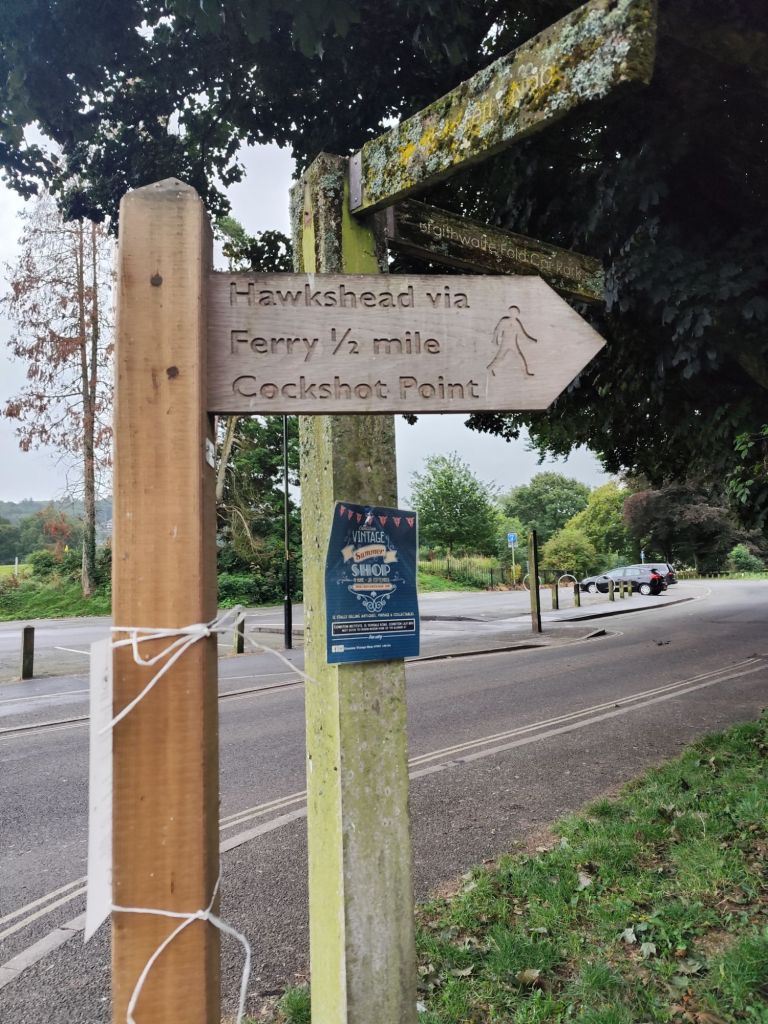
Myself being very me, I had discovered a gem of a place in Windermere beautifully named Cockshot Point, which I’d included in my route despite the 4 mile detour. As I disembarked the train I started up the mapping app, but left my headphones in my massive rucksack and started making my way through the town centre.

Strangely enough, the distance down to the lakeshore seemed not so far now that I wasn’t telling the time by the duration of the songs in my playlist, so I walked around for a bit before starting on the last leg of the trek, the 6 mile hike to Ambleside – still forgoing the familiar soundscape and trusty companionship my Heaviness playlist has provided me with since the dawn of music streaming.

Again, it seemed as if time stood still, despite the traffic constantly going past as I walked. The sound of wind in the trees, bleating of sheep and the lake in the distance seemed to amplify everything around me. The green of the grass, the brown of the endless tree trunks seemed more vivid than I could remember. And as I was walking along the same road for most of it, I didn’t have to keep checking the app either.

I was sweating like a pig in a volcano, but not even that seemed to bother me. Also, if it got to a stage where seeing my sweaty person would traumatise other hikers, I could just throw myself into the lake.

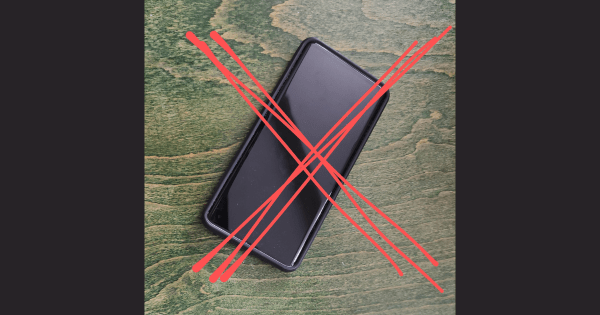
Another plus of leaving the music behind was the fact that I could hear the cars coming long before I’d have to find somewhere safe on the narrow pavement. But enough of all this walking business – I’m sure you’ve got better things to do. The point is, it got me thinking about something I’ve thought about a lot in recent years; that we could all benefit from leaving our devices behind once in a while.

When was the last time you spent a night out (or day, for that matter) actually enjoying yourself, rather than trying to find the perfect photo-op for your Instagram, for instance? The Internet can wait – and by keeping certain things private, they might even become cherished memories that are just yours.

Anyway, I hit Google to find something to support my theory; is reducing screen time beneficial to my overall wellbeing?

The sciencey bit

A study published by the National Institutes of Health found that smartphone screen time reduction can be beneficial to your mental health. Click on the link for the full article. Not surprising, but interesting nonetheless.

Then, on Unplugged.rest, I discovered that a study finds that only 72 hours away from your phone is enough to “rewire your brain against phone addiction”.

I’ve also been reading about how ChatGPT – and AI in general – can be detrimental to mental health. In fact, it’s dubbed chatbot psychosis. Here’s an article from The Telegraph on the topic that we should all read.

The observation

I think that the above indicates that we should take a step back from relying too much on technology in our everyday lives. And I wish, now, that I’d asked to photograph the people in the situation I am about to use to illustrate my point. Alas, I didn’t have my phone to hand.

After 24 hours in lovely Ambleside, a pal and I set off on a 45 minute bus journey that would take us to our train to Edinburgh. Once we’d stopped uncontrollably perspiring due to the heat and lack of air conditioning, I noticed something so surreal that I had to grab my pal by the arm and go, ‘are you seeing what I’m seeing?’

Not a single person had their phone out, or any visible earphones or headphones, even though they seemed to all be solo travellers. Most of them we’re gazing out the window at the passing landscape, whereas others sat there, seemingly content. Even a young kid, about 15, sat there with no phone, and when an elderly gentleman with a dog got on, he even moved to give him his seat AND asked if he could say hi to the dog. And then… they had a full-on conversation. Strangers. This type of behaviour has been unheard of on any public transport I’ve been on in the past decade! And that’s when I noticed how content they all looked, some even happy. Relaxed, even though the bus was running about two minutes late.

And that’s when I decided, there’s hope.

I don’t think fitness apps, calorie counters, games apps – all that shite – is doing us any favours. It certainly adds to the stress and anxiety in my own life, so I assume I am not alone in this. Some of these apps are designed to give you some sense of accountability, of course, but it’s just too much with the obsessive logging and the constant need to add one more thing to the list or log another activity – and what happens if you don’t make it to 300 kilometres of running this month?? ‘Heeeeeeeere’s DEPRESSION‘, as Johnny’s less homicidal brother would say.

So, do yourself a favour. Put your phone away and go for a fucking walk. Read a fucking book. Go see your fucking friend without posting about it on social media.

But, before you go, listen to this podcast episode about Hans the Hedgehod on Three Bean Salad (link below).

See ya next Tuesday.

Piemageddon

It is August. A week-long mini interrail is coming to an end, and I have journeyed to the Lake District in an attempt to cleanse my soul.

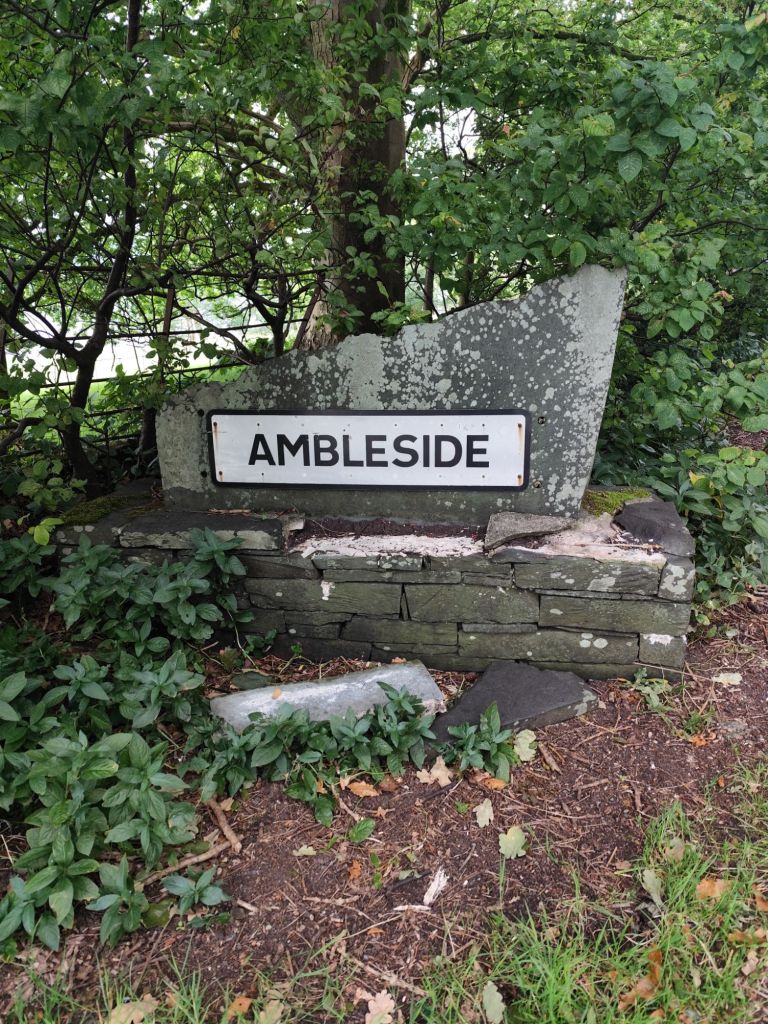
Having caught up with old friends, and made quite a few new and unwanted acquaintances along the way, I am now eagerly awaiting my pal’s arrival in the mysterious village of Ambleside, Cumbria, so that we can go on a culinary adventure we’ve dubbed Piemageddon. (Word has it, Ambleside is home to the UK’s premier pies).

What brought this on, you ask? Do I have an insatiable hunger for pie? Absolutely not. In fact, I don’t think I’ve ever had a single piece of pie in my life. But after seeing a rather graphic Instagram reel (bordering on vulgarity) of gravy being poured over shiny pastry and buttery mash, I was suddenly convinced that pie was something I needed in my life. I forwarded the reel to a friend and a plan was forged.

So, that’s how I find myself on the shore of lake Windermere, dripping with sweat from the 2-hour long walk from Cockshott Point, contemplating a fully-clothed swim (spoiler alert; swim, she did), before heading towards our accommodations.

I’m sure the soon to be wheatgasm will fuck up my low fodmap diet immensely, but I am certain a bit of bloating will beat the deranged occupant of the room directly above me in the Birmingham Comfort Inn throwing furniture around and shouting constantly from 10pm until my departure at 5 this am.

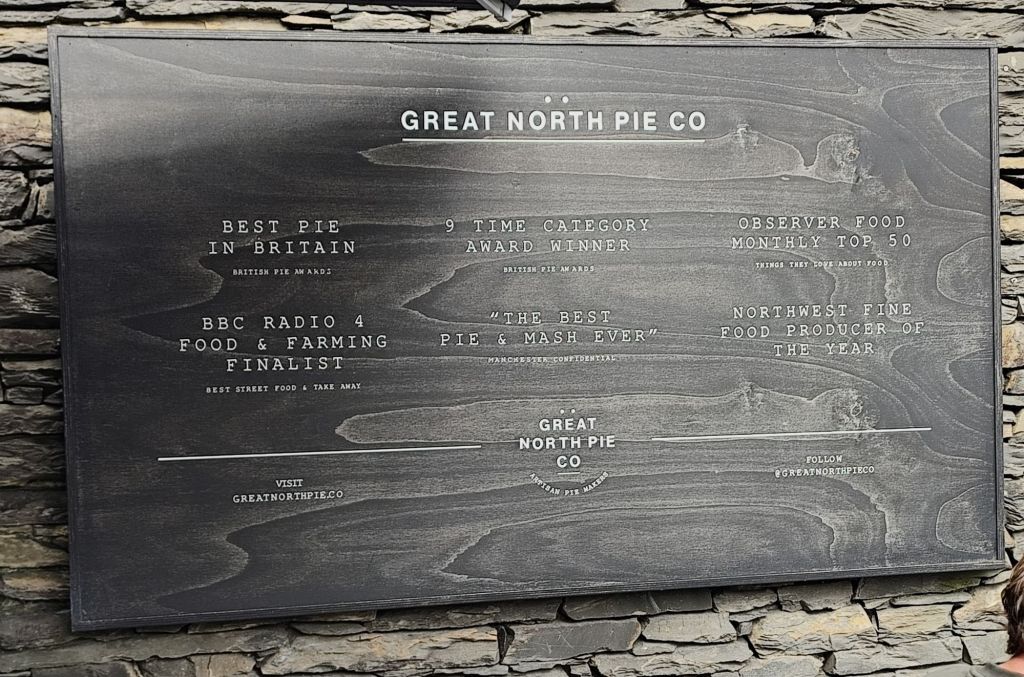
Anyway… What’s the pie hype, you ask? Well, the pie that inspired the journey came from The Great North Pie Company, and its shop is situated just far enough from the high street to not be inundated with the many, many tourists crowding the streets on this rather lovely day. The perfect location. (And it may or may not be the only eatery in town where you’re not in any danger of getting a serving of dog hair along with your meal.)

I’m not, and will never be, a ‘foodie’, so I will not even try to describe the meal as anything other than what it is; nutrition. But I will say this – the pastry alone had me uttering the word ‘tasty’ without even a hint of irony, possibly for the first time in my life. I do not normally enjoy food, never mind the process of eating, so this should be taken as a big sign of my approval.

I can wholeheartedly recommend a visit to Ambleside for the pie alone (there are a few other cafes that do excellent pies, both sweet and savoury, in the village), if you ever find yourself within hiking distance. The views are grand as well.

Bonus? A little peace and quiet away from the day to day is very good for my mental health – didn’t get my headphones out once for a full 30 hours. Only downside was the fighter jets that broke the wall of sound over the picturesque lake a total of six times within those hours.

Anyway. Whether you consider yourself a pie connoisseur or not, you might enjoy a wee getaway with a side of Cumbrian cuisine – just remember to get there early, before they run out of pies!

If you enjoy pies, you may also enjoy a good podcast. Find in the link below, a rather good episode of one of my favourites, Three Bean Salad.

Broken seems to be the hardest word

Or, at least the word appears to be difficult to hear for most of the ADHD podcasters. I’m not sure exactly when it became obligatory to end every episode with a ‘Remember, you’re not broken – just different‘, or something in the vein of that. To that, I have precisely one thing to say: Fuck off.

This type of message can be construed as the speaker is telling someone how to feel. There’s a word for this; invalidation.

American psychologist Dr Jamie Long defines invalidation as:

“The process of denying, rejecting or dismissing someone’s feelings. Invalidation sends the message that a person’s subjective emotional experience is inaccurate, insignificant, and/or unacceptable.”

Long goes on to explain that telling someone they shouldn’t feel a certain way ‘conveys contempt and superiority’. Regardless of how unintentional it may be, invalidation can be ‘one of the most damaging forms of emotional abuse’, according to Dr Long (2017).

You can read the article in full on her website, by clicking this link.

With some facts to justify my opinion and highlight the importance of acknowledging others, I’ll get on with my rant.

To my knowledge, no prophet worth their salt ever claimed to be one. Apart from Brian, perhaps, but we all remember that he was just a ‘very naughty boy‘. Yet, a horde of mental patients turned self-proclaimed neurodivergence experts have come to think of themselves as the second coming, or perhaps a little closer to the big man; omniscient.

They seemingly liken themselves to the Messiah of the looney bin – leaders of the un-broken newly diagnosed. Behaving as if they have all the answers makes them a potential danger to themselves and others, just because they’ve been diagnosed with something that made them crawl into a seemingly bottomless search engine wormhole, or even crack a book in some cases. Ironically, in true ADHD hyperfocus fashion, they seemingly forgot to check the facts or look for more sides to the story when they’d had their fill of research and decided their newfound knowledge must be broadcast to fellow sufferers, because now they have found the answer! Come off it.

As Attitude puts it in their well-researched article on hyperfocus, once in this state, we can often become ‘so engrossed we block out the world around us’. Which, of course, can be good for our personal learning.

However, it can make some people forget that the information we devour might not be applicable to others. I particularly find this to be the case with podcasters with AuDHD, which shouldn’t come as a massive surprise, seeing as some of them struggle to see past their own nose on a good day. Put in a more delicate way, in an article by the NHS on autism in adults, people with autism ‘find it hard to understand what others are thinking or feeling’ and can ‘take things very literally’. These traits, combined with hyper fixation and a WiFi connection, is perhaps a concoction best left to sit safely behind an unhackable paywall. Which, in fairness, someone with AuDHD would likely be able to set up, given they have a special interest in computer programming.

Anyway, we are back to the initial phrase. The ‘you are not broken‘ness of it all. Due to AuDHD podcasters innate quality of having trouble putting themselves in somebody else’s shoes, they may fail to see how this statement might make someone slightly more emotionally inclined feel as if their feelings have been dismissed and trivialised. Because some of us actually need to feel a little broken, in order to put ourselves back together again.

Either way, someone with an extreme need for attention might not be the best educator. And if you’re the host of a podcast where you are the main attraction and self-proclaimed expert, you should’ve guessed it, you are bordering on narcissism. It’s like going down to Speakers’ corner and shouting your opinion for everyone to hear, but the problem is that, since you’ve invested in a mic and some audio editing software, people are likely to think that you’ve actually got something of value to share, outside of your own lived experience.

I’m not saying all people with autism are narcissists, nor do I mean to claim that all of them are utterly devoid of empathy, I am simply pointing out the damage something unintentional can cause if you don’t stop to take all of the facts adhering to a diagnosis – and not least differences in personality and/or lived experience – into consideration before you present something as a universal truth.

Invalidation (and autism) aside, there’s something to be said for letting yourself really feel what you feel, in order to achieve a sense of control over the emotion – rather than having it control you.

Don’t get me wrong – I don’t think wallowing is particularly good for you either. But surely you are sending some conflicting signals to your unconscious if you let someone else dictate how you feel. I suppose it can be nice to hear that someone else thinks that you should think that you are a good human specimen just as you are, but it doesn’t take away from the fact that you yourself feel as if you are in dire need of repair.

Most of us can’t just adopt a mantra of saying ‘I’m not broken’ to ourselves in the mirror until we’re blue in the face and hope that some sort of unbrokenness will manifest all of its own – we have to acknowledge and respect the process before we can trust it.

So what if I am a little broken right now. But it is crucial to my recovery that I can be allowed to acknowledge that and start learning how to rebuild myself over time – adopting new, healthier coping strategies that will keep me from falling a part too quickly the next time life throws me a few curveballs. Your telling me I’m not broken really isn’t helping when that’s how I feel. And I am sure others feel the same way.

My process is my own and I need to work through it, without someone else trivialising my emotions or my situation. I need to be able to imagine for myself a life in which I am a little more together in order to find the steps to get there.

I forget who said this, but I think ‘there is beauty in something that has been broken and put back together, because its new composition makes it stronger and more unique‘ is a good quote. Might have gotten it from a Hallmark movie, actually. Anyway.

We can all feel a little broken sometimes. That should be okay, shouldn’t it? It shows that we’ve got some perspective and self-awareness.

The fact that you feel a little fragmented right now, doesn’t mean you won’t at some point become something that feels a bit more whole – or that you should come to believe it’s a permanent state. Quite the opposite – we just need to find all the pieces and the right adhesive before we start piecing it all together.

There is great strength in admitting weakness. And you can quote me on that.

See you next Tuesday, for a special Piemageddon update!

Here are some sick Bad Religion tunes as a reward for reading. A proverbial potpourri of punk at its very finest. Enjoy!

Fighting for our rights, or simply screaming for vengeance?

I run the risk of making myself very unpopular here, particularly among those who won’t bother reading past the first paragraph, but I think it’s time we took a long, hard look at how feminism is perceived by those who call themselves feminists (i.e. neofeminists), having mistaken own-gender favouritism for ‘equality’.

First, let’s look at what feminism is really all about.

You can date feminist protests back to the 3rd century BCE. When the “first wave” of feminism first arose in the 1800s, it was from a need for constitutional and social equality, in a society where women were subjugated to men. This need for equality between the sexes, or fight against oppression, is still very much a key cause in modern day feminism.

The European Institute for Gender Equality defines feminism as follows:

“Political stance and commitment to change the political position of women and promote gender equality, based on the thesis that women are subjugated because of their gendered body, i.e. sex.” (EIGA, n.d.)

On the same page, there is additional information about the workings of modern day feminism:

“Contemporary feminisms’ main focus is either a re-evaluation and reconceptualisation of women, their positions and roles, or a deconstruction of covert forms of gender discrimination and exclusion.”

This is important stuff, people! So, why am I in such a huff?

Well, nowhere in any of the above quotes did we read that modern day males should be punished for the norms and legislations of a society they did not help build. Perpetuating these norms today in plain ignorance should of course be subject to both criticism and consequence, and I think that this can be read between the lines here, but simply being born with your genitalia on the outside of your physical body does not a criminal make.

Back to the misapprehension aspect of neofeminism. Which is different from new feminism, by the way. Look it up. Neofeminists tend to glorify the female aspect. Not very equally inclined, if you ask me.

Thus, in their attempt to ‘take down the patriarchy’ by trying to flip the coin and make persons of the male gender feel inferior, these neofeminists take the focus away from where the feminist movement is still sorely needed because women’s rights are not equal to those of their male peers.

I am talking about the places and societies where women still don’t have the right to vote (Eritrea and Vatican City), where they aren’t allowed out in the open without covering themselves up, where they are forced to remain silent until their husband, brother or other male family member allows them to speak, where they do not have the same educational opportunities as their male peers, where they cannot speak up about sexual harassment in the workplace in fear they will lose their job – where they are subject to very real oppression.

That is where we need political change.

And I am not talking about religious practices or beliefs here – to each their own – but behaviours and customs that become a breeding ground for hostility, fear, hate and megalomania.

To me, feminism represents working towards creating opportunities for those who wish to have a say in how they want to lead their lives, like having a career in a field where their gender is unrepresented and therefore overlooked – and not because they are unrepresented due to lack of real interest.

Gender quotas are bullshit. Especially when it comes to leadership in the workplace. Anyone who has studied leadership and better management styles will know that a true leader needs to have a real passion for their work in order to do their job properly. If something holds precedence over the leadership role, you should find something else to do. And the quality of being able to put your job first pertains to a certain type of person, regardless of gender. So, a leadership role shouldn’t go to a woman that applied just to see if she could get it, just because she’s among the underrepresented few, when there are highly qualified men just dying to do the job and make the required sacrifices to do so. Why apply for a job when you don’t absolutely want it?

And when we are on the subject of work, there’s the issue of equal pay. This new generation of patriarchy fighters seem to think that they are entitled to the same pay as their male colleagues, despite taking a week ‘off’ each month, where they demand to be left to their own devices so that they can deal with menstrual cramps, chocolate cravings and mood swings. If you’re not going to do your usual workload to a respectable standard for one week out of every month, how do you expect to get paid the same as someone who does do their job and manages to pick up the slack after you? And, don’t get me started on the type of women who apply for a job, only to accidentally get pregnant and go on maternity leave within 3 months of signing the contract.

In demanding this type of preferential treatment at work, how do you think that makes the rest of us look? Everyone will think we are equally weak, demanding and ignorant of others’ needs. Saying it should be your right as a woman to make such demands makes the whole equality aspect of feminism evaporate. In fact, it’s akin to taking a huge, bloody dump all over everything the feminism movement has accomplished to do and to this day works hard to fight for. It is the opposite of equality and has already had enough negative consequences to create a rift and perhaps make some people think that women should be put in their place.

So, when fairweather (now former) friends would ask me, in a rather accusatory tone, ‘and you call yourself a feminist?’, in response to my opinions or behaviour, my reply would be: ‘No, I don’t.’ And, I really don’t. Not because I disagree with the ideology, but because I don’t want to be associated with them or their misinformed view on something so important.

Whatever happened to fighting the power, together? Equality? Unity? Solidarity?

Don’t get me wrong, I’m all for equal rights and applaud the movement that secured our right to vote, not least to own a fucking credit card. But I’d rather not be associated with these self-proclaimed feminist that are under the impression that being a feminist means blaming and punishing men for everything that’s gone wrong in their own lives. You blame patriarchy for enforcing societal norms that aren’t suited to women, when in fact women are often the ones perpetuating (or enforcing) them. Mothers telling girls how to behave so that people will like them, teachers doing the same. Women treating men like they’ve done something wrong by simply existing. Women treating other women like dirt and playing games, just to cause confusion and fear. This type of behaviour is alienating, not community-building.

Then there’s linguistic trends, such as the emergence of the term ‘mansplaining’, for instance… There’s no one more guilty of explaining things in a way that makes the listener think they are cognitively bloody impaired, than a misinformed feminist. The fact that it’s been dubbed mansplaining and not overexplaining goes to show just how far some people have gone to put men in a derogatory light. This is opinion, of course, however educated it may be.

Anyway, that’s what irks me this week, and all the live long day.

If you’re going to fight for something, fight for equality, not for the glorification of one specific sex. We are all just parasites on this planet anyway, and before long, we will be but stardust in the solar wind.

See you next Tuesday (unless an asteroid wipes us out within the next few days)!

Also, you should listen to some nice tunes. Have some Lita Ford, some Blondie and some fucking Judas Priest (links below):

Invasion of the neuro-fluencers

In our day and age, anyone can take to almost any media platform and build themselves a brand and dub themselves an expert – no qualifications needed, other than being able to use your own computer and having access to the Internet. To create your own podcast, the ability to speak comes in handy as well, and you might require a microphone or some sound editing software, should you happen to care about the listener’s wellbeing at all. It appears you can also decide how your pod is labelled. Herein lies the danger.

Today, there are a million different ADHD/mental health themed podcasts across the many streaming apps and podcast platforms, many of which I have found helpful myself. But the amount of self-proclaimed experts creating these self-help pods is shocking. Many of these podcasts are categorised as “educational”, and almost all of them have a star rating of 4 and over (out of 5). If you have recently been diagnosed and are desperately looking for tools to help you tackle your symptoms and how they impact your everyday life, this will be exactly what you’ll be looking for.

After a day of sifting through various “recommended” (by Spotify) podcasts, it became very clear to me that there are a lot of people out there with no medical background, other than their own diagnosis and the advice they got from their doctor, that are presenting their personal experience as ‘one size fits all’ facts.

They are doling out advice on anything lifestyle related, from weight loss and exercise to medication and how everyone is so different to you that you should only surround yourself with others with the same diagnosis, without even having the odd expert on as a guest once in a while to offer some balance.

Then, I came across some woman claiming you should drink 4 whole litres of water or more in a day, without mentioning the fact that gulping it all in one go isn’t particularly healthy and can lead to low blood sodium levels, among other things… Worst case scenario if you drink too much too quickly? Brain damage. You can read more about overhydration on Healthline.

Of course drinking enough water is extremely important, especially in hot summer weather – dehydration has its own challenges – but let’s have a look at what happens to the brain when it’s in danger of overhydration, shall we?

We learn from a 2024 research article published by Swedish medical university Karolinska Institutet that “a healthy adult needs around two litres of water per day, or 30-34 millilitres per kilogram of body weight. That includes both the liquid from what we eat, which may be roughly one litre per day, and from what we drink” (Odlind, Karolinska Institutet, 2024). You can read the article in its entirety by clicking any word in this sentence. The general gist of it is that you should drink when you are thirsty, and not too much in one go.

The article goes on to explain how our kidneys may struggle to filter out excess water if we over-hydrate within a short space of time, and that we can experience swelling of the brain cells if our sodium levels become too low in relation to the water levels in the body.

Even though overhydration is rare, it does happen. After what I can gather, most cases are seen in athletes performing strenuous exercise, such as marathon running or similar. If one drinks too much before a race, instead of distributing one’s water intake over time by replenishing when thirsty or too hot, it can have a detrimental effect. We are not camels; trying to fill the tank before a race will not make us go for longer without water – according to the article, quite the opposite happens; it sends a signal to the body that we have more than enough water and should get rid of the excess.

In conclusion, the so-called advice from the podcaster is potentially quite dangerous. I will not mention any names here, as I don’t want to ruin anyone’s day, but I did give them a poor rating in hope that it might help others.

Needless to say, this was the last drop for me – I had had enough of soundwave cowboys.


The above example is quite extreme, of course, but let’s delve into some of the other dangers of globally broadcast misinformation. The fact that you have a diagnosis does not automatically make you an expert on that part of the medical field, in the same way that being able to use search engines efficiently does not make you a researcher. The fact that you can use Google does not make you a scientist.

Your diagnosis might (should, with proper psychoeducation) help you become an expert on yourself and help you in your day-to-day, but it ends there. Although there are many commonalities in sufferers of the same disorder (controversial word in some circles, I know), we are all different. Your experience with a certain type of medication is not universal.

In fact, your preferred type of medication can be harmful to others, who may have comorbidities different to yours. Factors such as body type, gender, hormone levels or hereditary conditions may also affect how they respond to treatment. Only the patient’s personal medical practitioner is qualified to advise that person. I am not saying that you’re not allowed to have an opinion, but you need to realise that there is no cure-all for everyone, and that what your doctor told you is very rarely applicable to everyone else.

I know that you found your own research to be extraordinarily helpful, and that you want this same revelation for others that may struggle in the same way. But without any qualifications, your experiences are just that; YOURS. And a lot of it is just opinion. YOUR opinion. Newly diagnosed individuals may have comorbidities that you don’t know about. They need to discuss their diagnosis with their clinical therapist, neurologist or psychiatrist. Being in a vulnerable state, they may take your advice for fact. This is a real danger, people!

Sharing is caring, as they say, but remember to back up what you share with scientific evidence if you are going to present your findings as something other than opinion.

No links to any ADHD podcasts this week, as most of them are shite and I have gone off listening to them. If you want something gloriously witty, interspersed with a huge dollop of charms and filth, however, I can recommend Three Bean Salad (links in the Spotify and Instagram icons below). Go on, you know you need a laugh after this rant.

See you next Tuesday!

Statistics, diagnostics and the media – why certain news should only be distributed by experts

This is a double-edged sword. On one hand, we have the right to information that concerns us, yet on the other, the information gathered from these reports is often misinterpreted by uninformed journalists and thus miscommunicated through news outlets that fit their headers to accommodate the most clicks, instead of conveying what the researchers have found. (By uninformed, I mean that most desk journalists lacks the specific expertise to be able to understand properly the context and how scientific research is conducted, not that they are unintelligent.)

Uncritical A/B testing practices symbolises the death of integrity in modern media.

In short, psychological research should be published via professional channels and localised to the target audience, to prevent misunderstandings that can lead to the spreading of false information, or worse; greater socioeconomic inequality.

Because the fact remains, that mental health articles published by your bog standard online news outlet often refers to sufferers from mental (and physical) illness as a ‘them’; a third-person object.

I recently read somewhere, that ‘poor people have mental health issues and mental health issues lead to poverty’. That was the gist of it anyway. With that whole ‘third person’ mentality, one could assume that the tabloid readers and the more affluent members of society will take this to mean that the mentally ill are a burden on society. Maybe even the reason why the economy is in the shitter, so to speak. I am inclined to believe that news sites relying solely on A/B testing to increase their readership make matters far worse in those few instances they’ve got some actual news to report.

It’s the same with any articles on certain diagnoses; they are presented as a peculiar subject, something weird or bizarre, rather than something that affects a lot of people, both directly and indirectly. Of course, so-called reality shows such as The Undateables aren’t helping. And, no, I will not link to such horrific social pornography (for lack of a better term).

The solution to changing how mental illness is viewed is simple; psychoeducation. If the general public was to be presented with proper explanations and definitions by mental health experts, they, WE, would understand that everything is not as black and white as the media presents to us in its current uncaring and often ignorant state.

There are plenty of official networks and non-profit mental health organisations that publish research findings and psychology related news through easily digestible articles, but they are drowned out by the noise. Some of these, however, I will link to at the bottom of this post.

So, why should we care about psychoeducation, especially if we are not experiencing illness ourselves? I’m glad you asked. The World Health Organisation published numbers from 2019, indicating that as many as “1 in every 8 people worldwide are living with a mental disorder“. It would be fair to assume that more than one of ‘1 out of 8’ of us have carers, family or friends, or even colleagues, that are indirectly affected by our illness in some way. Not to mention that a lot of disorders can be hereditary. If we understood everything a little bit better, it might be easier to cope with certain things. Mass media are not the right communicators for this particular job.

Psychoeducation is important in a patient’s journey to recovery from or management of any mental illness, regardless of age. One can argue that it is essential – in order to understand yourself and your condition, you must first understand how it affects you. Science Direct has a more in-depth article on psychoeducation available on their site, if you want to learn more about what this entails.

Furthermore, psychoeducation can provide you with tools for when the mental health services close down after office hours or on bank holidays, which, for some, can be the most challenging parts of the year. As a bonus, proper psychoeducation can help everyone around you to understand things a little bit better as well. Wouldn’t it be nice if the nuanced field of psychology could be presented by someone with a passion for it, rather than someone that’s been told to ‘make the headline clickable’?

That’s probably more than enough for today – and I have some psychoeducation of my own to get back to. Thanks for reading!

See you next Tuesday.

Here’s a list of excellent outlets for those of us who want to learn more about ourselves and our loved ones:

Mental Health Mates UK

The ADHD Foundation

OCD UK

Depression UK

Anxiety UK

I would also like to recommend the following two podcasts, one of which tackles how mental health issues affect our daily lives in delightful, laidback, and sometimes emotional, human conversation, and the other an ADHD specific podcast, which offers interviews with leading experts on the field, as well as well-known guests.

The Life of Bryony

ADHD Chatter

The Power of Luff*

Recently, I was rewatching the first series of Santa Clarita Diet on Netflix (brilliant show, by the way), where the husband, Joel (portrayed by the brilliant Timothy Olyphant), mentions a possible cure for his wife Sheila’s altered, undead, state. Sheila (played by the one and only Drew Barrymore), however, is hesitant, as she is getting so much done, now that she has more energy and needs less sleep. At one point, she even exclaims: “I can parallel park in one move now!”

You might wonder where am I going with this long-winded introduction, other than displaying my love of gore and humour intertwined. Rest assured, I am about to get to the point (rather than rambling on about how I, too, would like to be able to parallel park in one move).

Although I am not undead now that I am medicated (unlike my experience with antidepressants), this really made me think; do I really want to go back to the old me? Can I be successful in life without medication? They’ve had such an immense and immediate effect on me, that I am afraid to go off them. To illustrate:

Within 30 minutes of having taken my first pill, something bizarre happened, in the way I have always imagined an acid dream might feel like. Before this, I would compare my brain to a chaotic second-hand shop, where you really have to dig around to find the good bits. Now, someone had switched on the lights and mister Cerebellum had transmorphed himself into a neat library, with every book and folder in its designated place, on long aisles arranged in alphabetical order. Even my photographic memory – that I thought I’d lost to years of drinking – has started to come back. For me, this was a life-altering experience.

Now, I am not suggesting medication is for anyone – this is about my personal experience, which is why I have excluded the type of medication and whether or not this is the only medication I am on. I am not a medical doctor and do not offer any advice on medication. The featured image is for illustrative purposes only.

Anyway, for someone previously so anti-pharma, this was a point of reckoning for me, that led to some serious soul-searching. I could not discount the effect of the medication, and it helped me focus enough to start and complete three exam papers in as many days. Instead of having to stop and think about everything to remember, I was now able to enter a room and do the thing I had gone in there to do, instead of shaking my head in frustrated confusion as to why I had moved in the first place after crossing the threshold. The song lyrics I’ve written myself, but find so difficult to remember, just poured out of me when the time came to sing them. I stopped doubting myself all of the time. The intrusive images that have haunted me for as long as I can remember were gone. My impulsivity halted and my compulsion to continue drinking or eating when I’d had enough evaporated. This, in turn led to less stress and I started to feel as if I could breathe properly.

Eventually, the effect subsided within a few days and I had to up my dosage to get an effect. The same happened again after another week or so. Then, it just sort of stabilised and the fear set in: Had I imagined the effect out of pure desperation? Would my symptoms come back little by little?

Naturally, I quickly started setting myself up for failure by pushing my boundaries, slowly breaking the new, healthier routines I had adopted, like an obstinate child. I remembered myself elatedly saying that, ‘If this works for only a week, I’ll be grateful to have had that one week where I was normal. Among the living’. Now, the Id had taken over and was on a mission to convince me that I had somehow jinxed myself by uttering those words. Of course, the anxiety caused me to fuck up. I started forgetting things again, struggled to regain focus, let my impulsivity get the better of me.

Although, what I now realise, is that I am still significantly better than I was before I started taking my meds. It is not a placebo. My natural constant hankering for dopamine makes me think that the fact that I don’t have my world turned upside down every time I take a pill, means it’s not working.

Demonstrably, my attention has improved – I am able to focus on everything when needed, not only what I am interested in. I no longer get distracted by the sound of a car driving slowly over rocks on the street outside my window. My working memory has vastly improved. But I am still me; curious, empathetic, caring, fiercely passionate about justice and equally perturbed by injustice.

I might be a bit sensitive-skinned sometimes, or reading too much into things, but at least I now know that that is down to my rejection sensitivity and that I don’t have to walk around thinking that I’ve hurt someone simply because I texted them back ‘OK’ with no emoji. (At least I texted them back, eh?)

I do wonder if I’ll ever feel strong enough to go off the meds, though. In the meantime, I’ll be here, diligently teaching myself new coping mechanisms and preparing for a life in the real world. I will persevere, somehow. I always have done. Will I succeed? That depends on how you define success.

See you next Tuesday.

If you liked my writing and fancy checking out my book, you can head on over to the section where I’ve written all about where you can get a copy – available in paperback and digitally.

If you want to watch something beautiful and thought-provoking, you should check out Sensitive Skin.

For anyone craving a gorgeous listen, you can check out the Gary Numan album I’ve linked to below. Should be played with headphones on, or through proper stereo speakers for max effect. Excellent running music!

*Luff (noun): the act of sailing a ship nearer the wind

Are traditional recruitment styles discriminatory against the neurodivergent?

If you are a recruiter reading this, I will recommend a great podcast at the very bottom of this post, that will provide a simple explanation for our career-swapping and hopefully make you realise why ignoring a lengthy CV might cost you the best person for the job.

I cannot count the number of times I have seen the following phrase in job listings: ‘CV cannot exceed two pages’. To me, this means that I would have to cut more than a decade of my work experience, which in turn will make it look like I didn’t start working until I was in my 30s. Not all of these jobs will be relevant to the one I am applying for, of course, but at the very least they help to show that I managed to work full-time through all of my years at uni.

Furthermore, most recruiters fail to notice that I managed to run my own business alongside these other odd jobs for over a decade. This makes me wonder if self-employment has any merit for the recruiter.

Then there is the issue of my education. Anything other than your standard BA+MA doesn’t sit well with recruiters. It is as if they cannot fathom that one person can manage several degrees or, indeed, different fields of expertise. Never mind the vast amount of certifications and online courses I have under my belt, in addition to my BA and MA.

I get it – my professional background may appear slightly haphazard or even schizophrenic to the naked eye. But wouldn’t you be at least a tiny bit interested in seeing who is behind all of this wizardry? After all, my CV is the result of my very real undying thirst for knowledge.

The reason why I haven’t stayed in a relevant position for more than 18 months at a time is that my background only gets me fixed-time positions lasting an average of a year. (In the service industry, however, I just got bored and/or understimulated, but I did learn a lot about stress management through my bar work – and I have been headhunted for my White Russians alone.)

Ultimately, I had to create my own niche and become self-employed in order to do something I loved, that required additional learning on the job. The bar work came in handy when I needed to find a better flat, pay my taxes up front or purchase new office supplies (or pay for all of those online courses).

Do you have any idea how much admin self-employment entails, by the way? How much networking? How many working hours? How many 24 hours-or-less turnaround times? Didn’t think so.

Additionally, my masking of my ADHD symptoms has made me a natural at fitting in anywhere and with anybody. Especially for short periods of time, of course, but I have done this for almost 40 years and am quite capable of keeping up appearances for longer. Just don’t put me in an open-plan office.

Unfortunately, my years of masking also makes it quite impossible for someone like me to fill out one of those personality compatibility tests recruitment agencies seem to love with any accuracy. The reason for this is that I will always tick the box that I think that you would like me to tick. I will make myself into the person you need me to be.

So, in my attempts to impress the recruiter or recruitment agency, I hide the qualities that make me a good fit for the actual company that is hiring.

Now for the thing that prompted me to write this piece. There is a very interesting educational podcast by the name of MissUnderstood: The ADHD in Women Channel. They do lovely, wee bitesize episodes in addition to their longer ones, and I have found a lot of support through the Tips From an ADHD Coach segment, with coach Jaye Lin.

The episode on changing careers often (Spotify link below) really struck a chord with me, especially as it highlights how our impulsivity and dopamine deficiency combined with our all-in personalities can lead to burnout in the wrong environment and have us apply for a different job somewhere else, only to repeat the process.

Our dependence on dopamine, however, make us more resilient in facing challenges. We thrive off of making the impossible possible – it’s what keeps us going.

As you can see, the episode shows the good and bad sides of how our traits can affect how long we can manage to stay in the same position over time. I do however find that the more I learn about how I’m built differently has made its marks on my professional pursuits, the better I am able to approach things differently. Unfortunately for me, I wasn’t diagnosed until I hit mid-life, so I wasn’t able to reign it in before going to uni.

There are many people like me out there, that have had to come to terms with who they really are and start everything anew after a late in life diagnosis. We can’t change the past, but we can help others like us by being vocal about our experiences. I hope you are listening.

See ya next Tuesday!

Blog at WordPress.com.

Up ↑